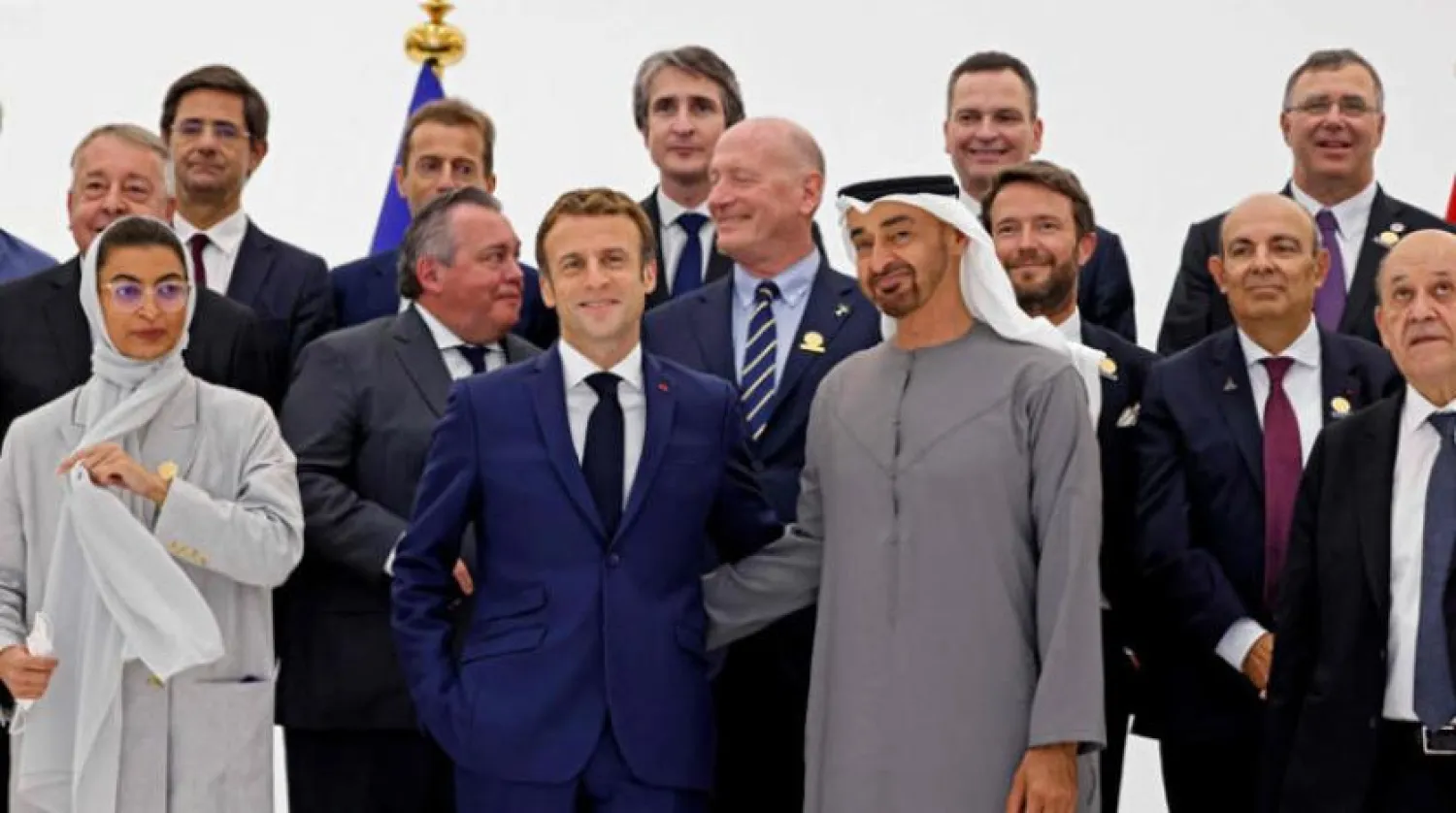
French President Emmanuel Macron has started a three-day tour of the Gulf that will include the United Arab Emirates, as Paris seeks to help ease an energy crisis rooted in the disruption of the Strait of Hormuz.
Mr Macron arrived in Kuwait on Monday, the first stop on a programme that also takes in the UAE, Bahrain and Qatar and runs from October 19 to 21, according to his office. The Élysée Palace said the aim is to promote a return to stability and freedom of navigation in the strait.
Why the trip matters now
All four countries on the itinerary have had energy facilities attacked during the war involving the United States and Iran. Oil exports through Hormuz have been curtailed as a result, and the shock has pushed up fuel costs well beyond the Gulf.
For France, the pressure is domestic as well as diplomatic. Reports on the tour say the French presidency wants to discuss energy supplies and ways to cushion households and businesses from rising fuel bills. Kuwait, the UAE and Qatar are major oil or gas producers, while Bahrain is a long-standing partner with economic and security ties to Paris. France has wide commercial interests across the region, spanning energy, transport, infrastructure, defence and technology.
What is expected in the UAE
A source cited by The National said Mr Macron’s talks in the UAE would address defence, security and new technologies, including artificial intelligence. The tour agenda also covers France’s broader economic ties with the Gulf states. The detailed UAE programme had not been published in the reports reviewed, so the exact timing of meetings in Abu Dhabi is not yet known.
Mr Macron has visited the UAE several times as president. Last December he met President Sheikh Mohamed bin Zayed Al Nahyan at the Sheikh Zayed National Museum in Abu Dhabi and spoke with French military personnel based in the country. France keeps a military presence in the UAE, and the countries have long cooperated on defence.
The security backdrop
The visit comes at a delicate moment. This week, the UAE president met Saudi Defence Minister Prince Khalid bin Salman in Abu Dhabi to discuss regional security. Houthi attacks on Saudi Arabia are continuing, and Egypt is weighing whether to send military support to Riyadh. Meanwhile, Iran says it could reopen Hormuz within a week if Washington accepts its conditions, while the United States insists any deal must address Tehran’s nuclear programme.
An Emirati official said earlier this month that the UAE is better prepared for the conflict than it was in February, when hostilities began, while not ruling out a return to full-scale war. Against that background, a visit by a leader of a major European power signals both support and a wish to be part of any diplomatic solution.
What is at stake economically
The UAE’s economy has felt the strain. Its real GDP grew only 0.4 per cent in the first half of the year and fell 2.1 per cent in the second quarter, according to official estimates. Dubai’s economy contracted 2.3 per cent in the first half. The World Bank expects the UAE economy to contract in 2026 and assumes Hormuz will begin to reopen gradually from December 31.
Those figures help explain why energy and maritime security sit at the top of the agenda. A durable arrangement for shipping would benefit exporters in the Gulf and importers in Europe alike. Diversifying energy routes is a shared interest, and the UAE has been building export capacity on its east coast, outside the strait.
What to watch
Three outcomes will be closely followed. The first is whether Mr Macron and Emirati leaders announce any joint position on freedom of navigation in Hormuz. The second is whether the talks produce new energy supply or investment agreements. The third is any defence or technology announcement, particularly on artificial intelligence.
The tour continues to Bahrain and Qatar before ending on October 21. Readouts from each stop should show how closely Gulf and European positions line up on the crisis.


Comments 1