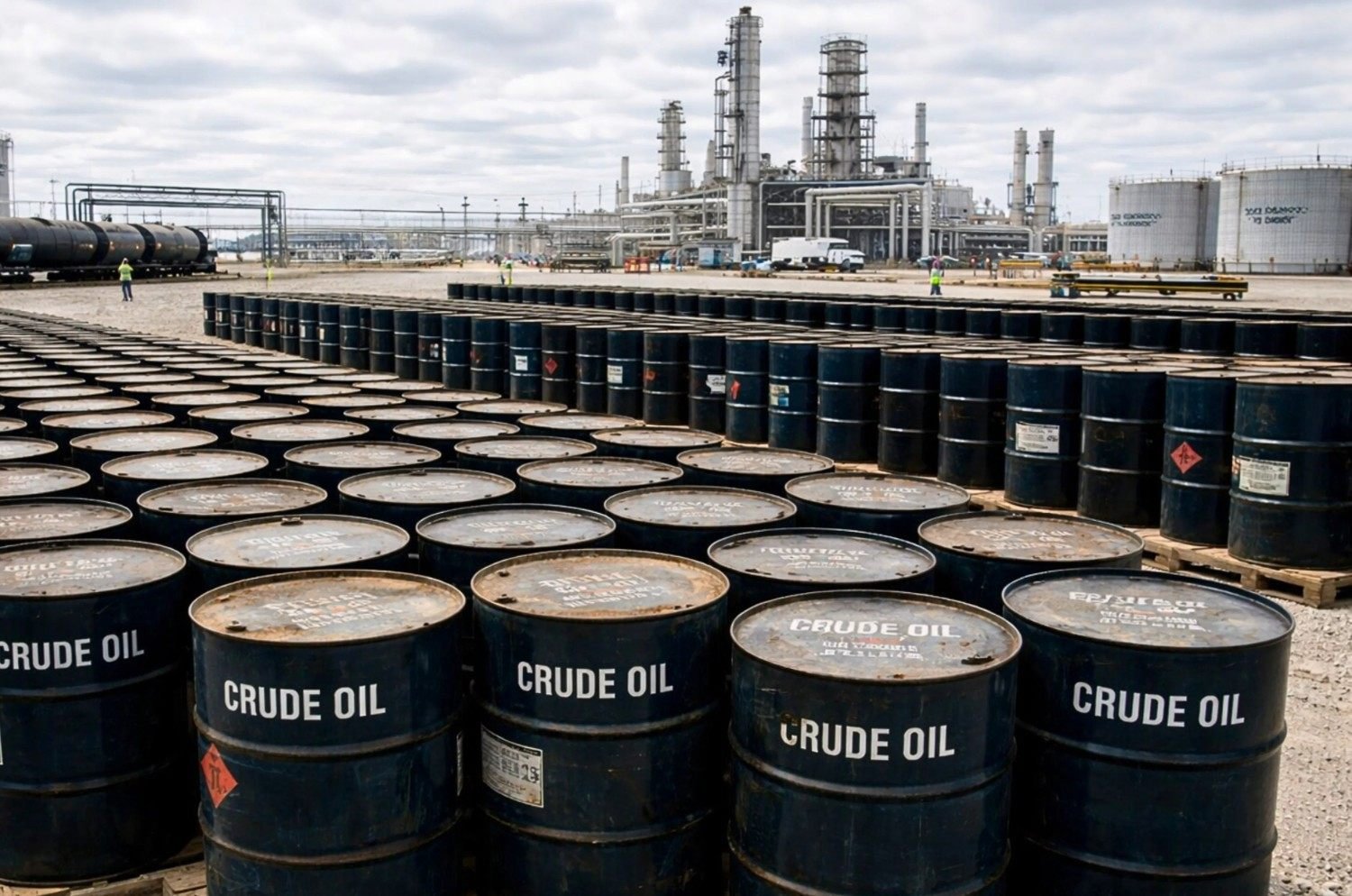
UAE motorists could pay more at the pump next month. Global oil prices have spent much of September at elevated levels, and the monthly fuel review due at the end of the month is drawing closer.
The UAE Fuel Price Committee revises retail petrol and diesel prices at the close of every month to align them with global markets. For October, the direction of travel has turned less friendly to drivers.
Where prices stand today
September’s prices edged higher from the previous month:
| Fuel | September price (per litre) |
|---|---|
| Super 98 | Dh3.80 |
| Special 95 | Dh3.69 |
| E-Plus 91 | Dh3.61 |
| Diesel | Dh4.30 |
Petrol is still below the highs reached earlier this year. Super 98 peaked at Dh3.95 in June, Special 95 at Dh3.83 and E-Plus 91 at Dh3.76. Diesel reached Dh4.69 in April and May.
Super 98 would need to rise by 15 fils, about 3.9 per cent, to return to its June peak. Special 95 needs 14 fils and E-Plus 15 fils. Analysts at Gulf News point out that current oil trends make a move back toward those levels a real possibility.
What Brent has done
Brent crude rose 2.3 per cent to $101.52 a barrel on Wednesday, reversing an earlier slide. Earlier in the session the benchmark had dipped to $98.99. That leaves it roughly 41 per cent above the $72 or so recorded in late February, before the Iran war, and about $30 higher than a year ago.
Prices came close to $110 last week on fears that disruption to Middle East energy exports could persist, then fell back. The swings show how sensitive the market remains to news from the Gulf.
The important point for October is the trend across the whole month, not one day’s close. Oil has spent a meaningful stretch of September above $100 rather than spiking briefly, and that raises the pressure on the next review.
What a rise would cost you
Even small changes add up for households that fill up regularly:
- A 10-fils increase per litre adds Dh6 to a 60-litre fill and Dh8 to an 80-litre fill.
- A 20-fils increase adds Dh12 and Dh16 respectively.
If petrol rose by 20 fils, Super 98 would reach Dh4.00, Special 95 Dh3.89 and E-Plus 91 Dh3.81. These are illustrations, not forecasts of the official October prices.
A possible cushion from Saudi Arabia
One factor pulling the other way is the reported restart of Saudi Arabia’s East-West Pipeline. It carries crude to the Red Sea without passing through the Strait of Hormuz. Saudi Arabia is aiming to resume exports along the route, and Saudi Aramco has reportedly told Asian refiners they could soon collect crude from the Red Sea port of Yanbu.
That prospect has eased some concerns about global supply. The recovery is not complete, though. Bloomberg reported that European customers have been told they will not receive allocations through the route in October. The extra barrels may help contain prices without removing the pressure created by disrupted Gulf exports.
Diplomacy as the wild card
US-Iran talks are continuing through mediators, but there is no agreement yet that would remove uncertainty about regional oil supplies. A breakthrough could pull Brent back toward the low $90s. A collapse in talks or fresh disruption around Hormuz could push it higher again.
The final days of September will matter. Whether Brent hovers near $100, slips lower or climbs will help shape the committee’s decision.
What to expect
Compared with a month ago, the risk of an increase has strengthened. Improving Saudi export capacity and progress in diplomacy are the main forces that could limit the size of any rise. Renewed disruption would work in the opposite direction.
For now, motorists should treat October as a month of upward pressure, not a certainty. The size and direction of the adjustment cannot be determined until the committee announces the new rates at the end of the month.


Comments 1