Balancing Growth and Green Space
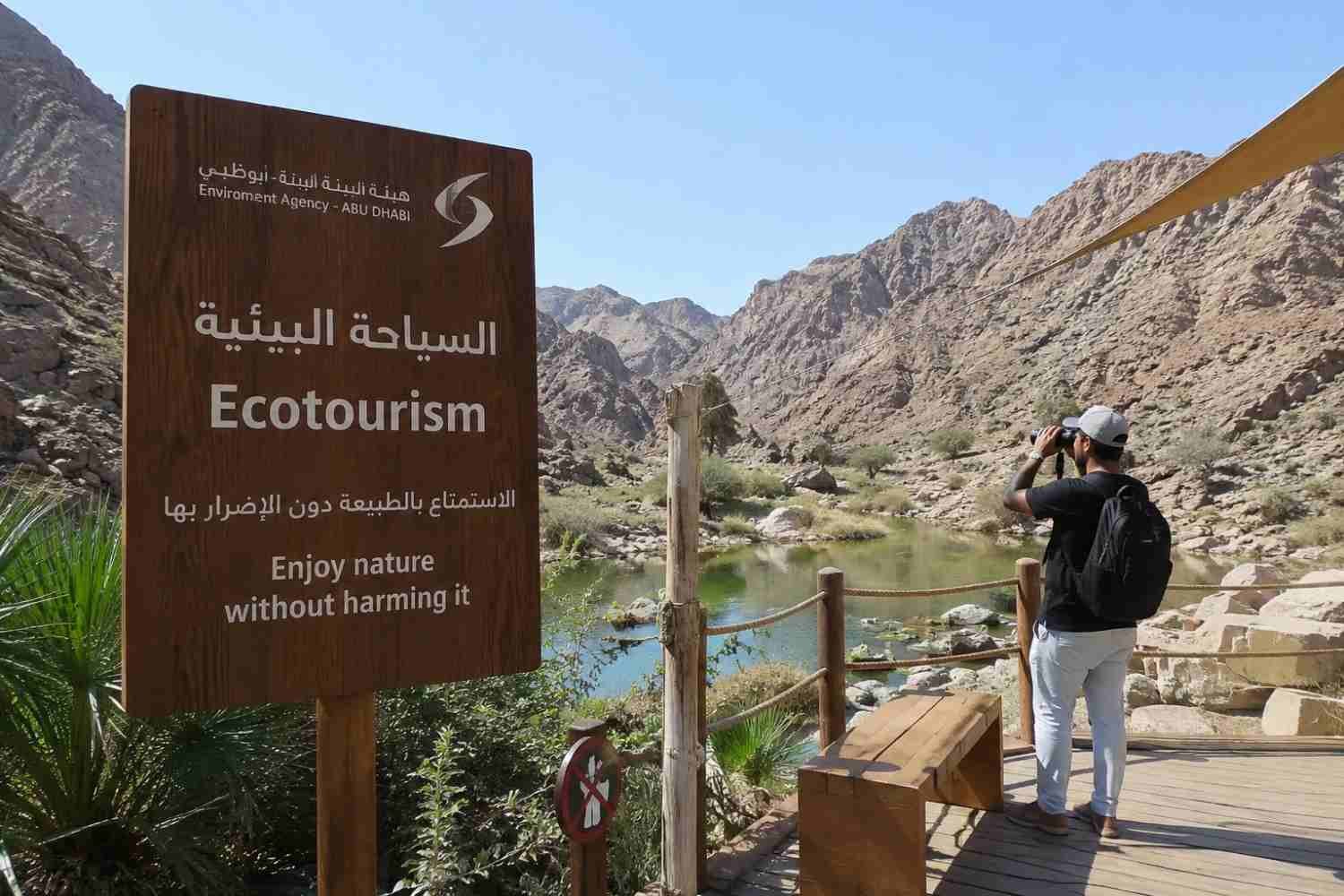
The UAE Cabinet has approved a new National Ecotourism Policy aimed at ensuring the country’s fast-growing tourism sector does not come at the expense of its natural environment, as officials look to position the Emirates as a serious destination for sustainable travel.
The policy was signed off during the latest Cabinet meeting and forms part of a broader push to protect ecosystems, safeguard natural resources, and build tourism experiences that draw on the UAE’s environmental and cultural heritage rather than working against it. Officials described the strategy as an attempt to ensure that economic development and tourism expansion proceed hand in hand with environmental protection, rather than treating the two as competing priorities.
What the Policy Focuses On
According to details released by the Cabinet, the policy rests on several core pillars: protecting environmentally sensitive sites from overdevelopment, developing new sustainable tourism products and experiences, encouraging local communities to participate in and benefit from ecotourism, and preserving cultural identity in areas where tourism activity is expanding. The policy also aims to deepen cooperation between government entities, private tourism operators and civil society organisations working in conservation.
Several concrete initiatives are attached to the policy. Chief among them is a plan to build a national smart platform dedicated to ecotourism, which is expected to help coordinate activity, share information and connect visitors with sustainable tourism experiences. The government also plans to develop new partnership networks to promote sustainable tourism more broadly, alongside additional regulations governing how ecotourism sites are managed and maintained over time.
Progress on Desertification Targets
The ecotourism policy was approved alongside a Cabinet review of the National Strategy to Combat Desertification 2030, and the figures released paint a picture of steady, incremental progress. The number of nationally protected areas has now climbed to 55, while roughly 4,900 hectares of land have been rehabilitated as part of ongoing restoration work.
Officials also reported that more than 3.2 million square metres of green cover have been added nationwide, alongside the tagging and protection of 341,000 native trees. Separately, researchers have surveyed and identified more than 120 native plant genetic resources — data that conservationists say is essential for long-term ecosystem management in a country where extreme heat and water scarcity make restoration work especially challenging.
A Message From Leadership
Commenting after the Cabinet meeting, Sheikh Mohammed bin Rashid Al Maktoum, Vice President and Prime Minister of the UAE and Ruler of Dubai, framed environmental protection as inseparable from national development, describing investment in natural resources as investment in quality of life. The comment reflects a consistent government line in recent years: that the UAE’s economic ambitions and its environmental commitments should be treated as two sides of the same strategy, rather than being pursued at each other’s expense.
Building on Existing Projects
The new policy does not start from scratch. It builds directly on work already carried out by the Emirates Council for Balanced Development, which has spent recent years developing tourism destinations that showcase the UAE’s geographic, cultural and environmental diversity. Projects delivered under that programme have included new eco-trails, dedicated environmental routes, and waterfront tourism developments spread across several emirates — infrastructure that the new national policy is expected to expand upon and formalise under a single regulatory umbrella.
Why This Matters Now
The timing of the announcement is notable. The UAE’s tourism sector has been expanding rapidly, with hotel occupancy and visitor numbers climbing steadily in recent years, placing growing pressure on natural sites that were never designed to absorb mass tourism. By moving to formalise an ecotourism framework now, rather than after damage to sensitive ecosystems becomes harder to reverse, officials appear to be trying to get ahead of a problem that has affected other fast-growing tourism markets around the world.
For visitors, the policy is likely to translate over time into a wider range of curated nature-based experiences — from desert reserves to coastal mangrove trails — accompanied by stricter rules on how those sites are accessed and managed. For local communities near these areas, officials say the policy is designed to create long-term economic opportunities tied to conservation, rather than leaving residents on the sidelines of the country’s tourism boom.
Taken together, the ecotourism policy and the latest desertification figures suggest the UAE is trying to write environmental safeguards into its tourism growth story from the outset — a strategy officials hope will pay off both ecologically and economically in the years ahead. Next Article


Comments 1