Lebanon Seeks Ceasefire Extension in Washington Talks as Israel Clashes Continue
Lebanon is preparing to push for an extension of its fragile ceasefire with Israel during high-level talks in Washington, as renewed violence on the ground threatens to derail already delicate diplomatic efforts. The stakes could not be higher.
The United States is hosting a second round of talks between Lebanese and Israeli officials, aiming to preserve a 10-day truce that came into effect on April 16, 2026. The ceasefire, brokered by Washington, was intended to pause hostilities and create space for broader negotiations after weeks of intense fighting linked to the wider regional conflict involving Iran. However, the agreement is set to expire within days, and both sides remain far from a lasting settlement. A temporary truce with a ticking clock.
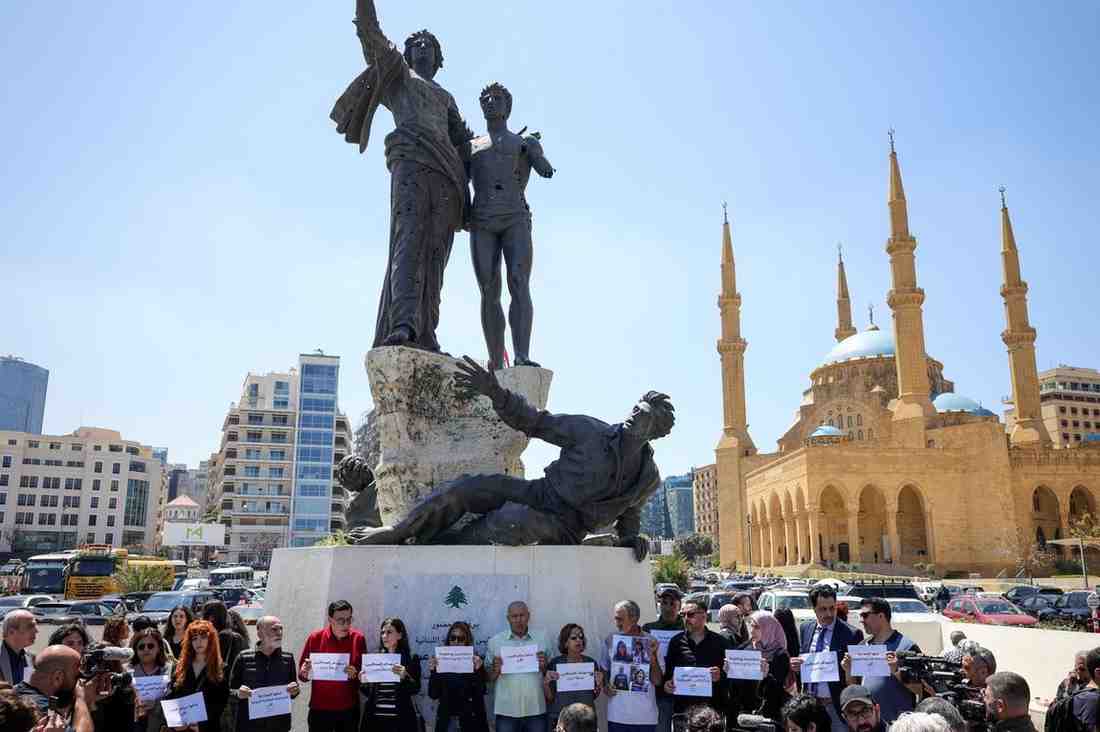
Despite the reduction in large-scale violence since the truce began, clashes have continued in southern Lebanon. Israeli airstrikes recently killed several people, including a journalist, highlighting the fragile nature of the ceasefire. In response, Hezbollah has carried out attacks against Israeli forces, arguing that Israel has violated the terms of the agreement by continuing military operations and maintaining a presence inside Lebanese territory. Violence persists despite the truce.
Lebanon’s leadership has made it clear that extending the ceasefire is a top priority. President Joseph Aoun has instructed his delegation to push not only for a prolongation of the truce but also for an end to Israeli demolitions in southern villages. Beirut views an extension as a necessary first step toward deeper negotiations that could address more complex issues such as Israeli troop withdrawal, the return of detainees, and the demarcation of the border between the two countries. Ceasefire extension is Lebanon’s priority.
The Washington talks are particularly significant because they represent rare direct engagement between Lebanon and Israel, two countries that technically remain in a state of war and have had minimal formal contact for decades. U.S. Secretary of State Marco Rubio is expected to attend the meeting, underscoring Washington’s central role in mediating the conflict and attempting to prevent a broader regional escalation. Rare direct talks, US-led mediation.
However, the negotiations face serious internal and external challenges. Within Lebanon, there are divisions over engaging directly with Israel. Hezbollah, the Iran-backed armed group that has been at the forefront of the conflict with Israel, opposes direct talks but has signaled conditional support for extending the ceasefire—provided Israel halts its military actions and withdraws from occupied areas. Hezbollah’s conditional support.
Israel, on the other hand, insists its operations are defensive and aimed at preventing further attacks from Hezbollah. Israeli forces have established a buffer zone inside southern Lebanon, which they argue is necessary for security. This presence remains a major sticking point in negotiations, with Lebanon demanding a full withdrawal as part of any long-term agreement. Israeli buffer zone remains a sticking point.
The broader humanitarian situation adds urgency to the talks. Thousands of people have been killed since the conflict reignited in March, and large portions of southern Lebanon have suffered extensive damage. Displacement remains widespread, and many civilians are waiting for a more stable ceasefire before returning to their homes. Humanitarian crisis deepens.
While the current ceasefire has helped reduce the intensity of fighting, it has not fully stopped hostilities, leaving the situation highly volatile. Diplomats hope that extending the truce will provide a critical window to negotiate more durable arrangements and prevent the conflict from escalating further. A fragile pause, not peace.
Also Read: Major Military Loss: US Navy Loses $240M Triton Drone in Persian Gulf Amid Iran Tensions
As the Washington meeting unfolds, the outcome will likely determine whether the region moves toward de-escalation or slips back into intensified conflict. The coming days will reveal the path ahead. Lebanon’s fate hangs in the balance. Washington holds the key. The world watches.


