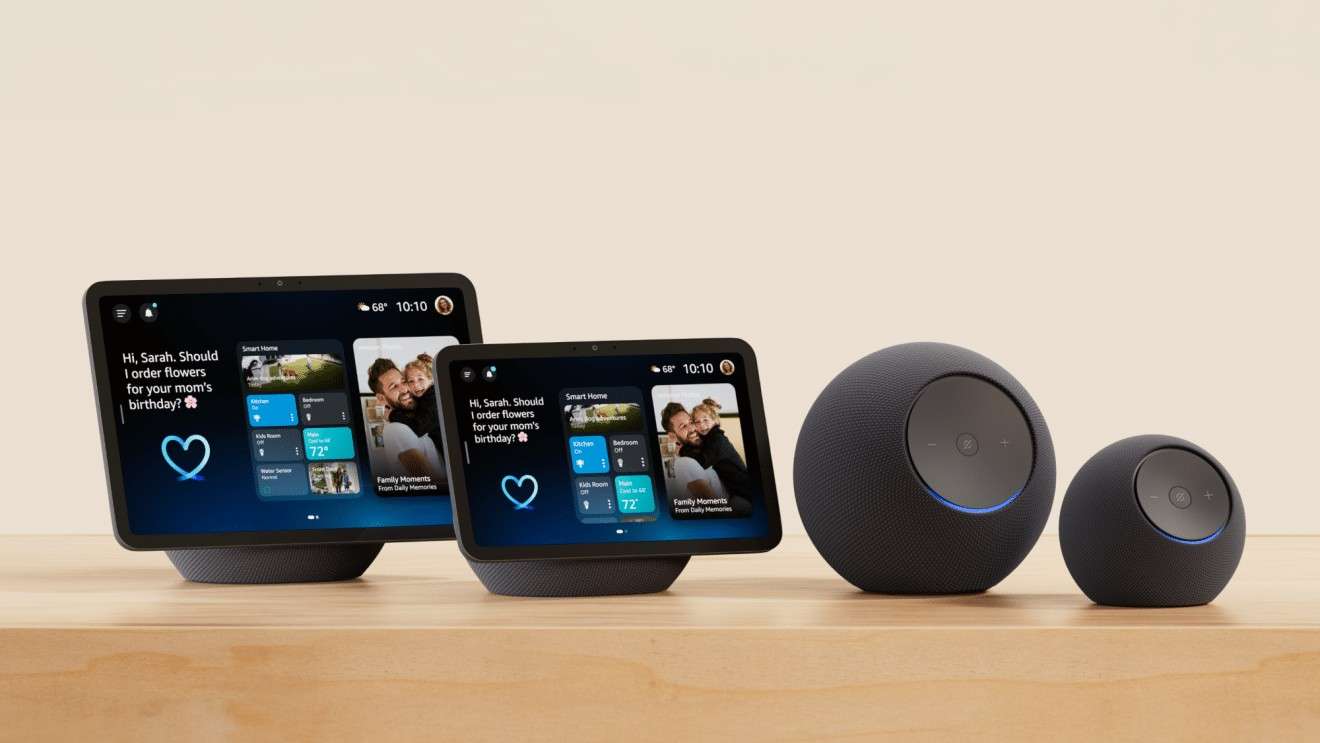
Amazon Launches Alexa+ in the UK: A Smarter and More Personal AI Assistant Arrives
Amazon has officially introduced its next-generation voice assistant, Alexa+, in the United Kingdom, marking its first expansion outside the United States. The launch signals a major upgrade to the familiar Alexa experience, transforming it into a more conversational, intelligent, and personalised digital assistant powered by generative artificial intelligence.
The rollout began on March 19 as part of an early access programme, with invitations expected to be sent to hundreds of thousands of users across the UK in the coming weeks. Initially, Alexa+ will be available free during this trial phase. However, Amazon has indicated that the service may later cost around £19.99 per month for non-Prime users, while remaining free for Amazon Prime subscribers.
A More Human-Like Alexa
One of the biggest changes with Alexa+ is its ability to hold more natural, free-flowing conversations. Unlike the older version, which required specific commands and repeated wake words, the new assistant can understand context, remember previous interactions, and allow users to switch topics seamlessly. This conversational ability is powered by advanced AI models that enable Alexa+ to interpret everyday language, including slang and incomplete sentences. Users can interact with it more like they would with another person, making the experience smoother and more intuitive.
Built to Be Personal
Alexa+ is designed to learn about its users over time, offering a deeply personalised experience. It can remember preferences, routines, and important details such as dietary habits, favourite music, or frequently ordered items. This allows the assistant to provide tailored suggestions and perform tasks more efficiently. The assistant can also maintain continuity across devices. For example, a conversation started on a smart speaker at home can continue later on a smartphone or computer without losing context.
From Information to Action
A key upgrade is Alexa+’s ability to complete real-world tasks from start to finish. Instead of simply providing information, it can take action on behalf of users. This includes booking restaurant reservations, ordering food, scheduling appointments, or even arranging home services. The system works by connecting with thousands of third-party services and apps, allowing it to handle complex, multi-step requests. This agentic capability represents a significant shift from traditional voice assistants, which typically require users to complete tasks themselves after receiving information.
Tailored for UK Users
To better suit British users, Alexa+ has been localised with UK-specific language, cultural references, and expressions. It understands phrases like knackered or fancy a cuppa and can respond in a way that feels natural to local users. Amazon says teams of engineers and linguists worked extensively to ensure the assistant reflects regional nuances, making interactions feel more authentic rather than translated from an American version.
Expanding Capabilities
Alexa+ also integrates more deeply with smart home devices, entertainment platforms, and shopping services. It can control lighting, play music across multiple devices, manage calendars, and even check deliveries through connected systems like smart cameras. Additionally, new personality styles are being introduced, allowing users to customise how Alexa responds, ranging from concise and professional to more relaxed or playful tones.
Challenges Ahead
Despite its advanced features, Amazon faces challenges in convincing users to adopt the upgraded assistant. Concerns around privacy, reliability, and the cost of subscription services could impact its widespread acceptance. However, the company believes Alexa+ represents a major leap forward in AI assistants, one that moves beyond simple voice commands to become a truly helpful, everyday digital companion. With its UK debut, Amazon is positioning Alexa+ as a strong competitor in the rapidly evolving AI space, where more personalised and action-oriented assistants are becoming the new standard.


