Table of Contents
ToggleUAE President Sheikh Mohamed bin Zayed Agrees to Join U.S.-Led Board of Peace to Advance Gaza Conflict Resolution
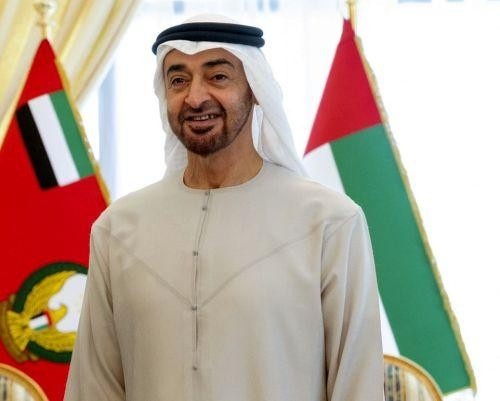
In a major diplomatic development, UAE President His Highness Sheikh Mohamed bin Zayed Al Nahyan has accepted an invitation from U.S. President Donald J. Trump to join the newly proposed Board of Peace. Announced on January 20, 2026, this move signifies the UAE’s proactive commitment to a U.S.-led international initiative aimed at resolving the Gaza conflict and steering its post-war reconstruction.
A Strategic Commitment to Peace
The decision was formalized by Sheikh Abdullah bin Zayed Al Nahyan, the UAE’s Foreign Minister. In an official statement, the UAE emphasized its support for the full implementation of what Washington terms the “20-point peace plan” for Gaza. This participation underscores the Emirates’ foreign policy pillars: advancing regional stability, supporting the legitimate rights of the Palestinian people, and engaging in constructive global diplomacy. The UAE also expressed confidence in President Trump’s leadership in this endeavor.
Understanding the “Board of Peace” Initiative
The Board of Peace is envisioned as an international body to guide Gaza’s transition from active conflict to sustainable peace and development. Spearheaded by the U.S., the board aims to mobilize resources, monitor peace implementation, and foster international cooperation. While initially focused on Gaza, its mandate may expand to other global conflict zones. The board’s proposed structure, with President Trump as chair and membership terms linked to financial contributions, has sparked international debate regarding its inclusivity and relationship with existing UN frameworks.
The UAE’s Diplomatic Role and Regional Significance
By joining, the UAE positions itself as a foundational Arab member of this initiative, reinforcing its role as a key diplomatic player in the Middle East. This action is consistent with the UAE’s legacy of pragmatic engagement, most notably its instrumental role in the Abraham Accords. The Emirates has signaled its intent to contribute both diplomatically and practically, emphasizing cooperation, stability, and shared prosperity.
Concurrently, the UAE has welcomed the establishment of the National Committee for the Administration of Gaza (NCAG), a temporary technocratic body for Gaza’s day-to-day governance. Reem bint Ebrahim Al Hashimy, UAE Minister of State for International Cooperation, is actively involved, highlighting the country’s multifaceted approach to the peace process.
Global Context and Challenges Ahead
International reaction has been mixed. While countries like Italy and Canada have shown interest, others remain cautious, concerned about the board’s structure and how it complements multilateral systems. The UAE’s early endorsement adds significant diplomatic weight to the initiative.
Significant hurdles remain, including securing broad international consensus, navigating Gaza’s complex political realities, and ensuring coordination among all stakeholders. The board’s ultimate effectiveness will depend on overcoming these challenges.
Conclusion: A Pivotal Diplomatic Step
The UAE’s decision to join the Board of Peace marks a pivotal moment in its foreign policy and in international efforts to address the Gaza crisis. It reflects a strategic choice to engage directly in shaping a post-conflict future for the region. As the initiative develops, the UAE’s involvement will be closely watched as a barometer of the plan’s viability and its potential to deliver a lasting peace.


