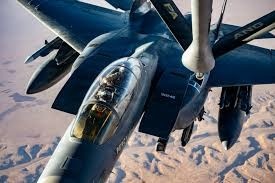
U.S. Deploys F-15E Strike Eagles to Jordan in 2026, Bolstering CENTCOM Airpower
In a significant strategic deployment to reinforce its regional posture, the United States Air Force has moved a squadron of potent F-15E Strike Eagle fighter jets to Jordan in early 2026. This action strengthens U.S. Central Command (CENTCOM) airpower and rapid reaction capabilities amid ongoing regional tensions.
Deployment Details: Eagles Arrive in Jordan
In mid-January 2026, at least 12 F-15E Strike Eagles from the 48th Fighter Wing at RAF Lakenheath, UK, arrived at Muwaffaq Salti Air Base in northeastern Jordan. Positioned near the Syrian border, this key partner facility now hosts these advanced multirole fighters. The transatlantic flight was supported by KC-135 Stratotanker aircraft, ensuring the fighters arrived ready for sustained operations in theater.
The F-15E Strike Eagle: A Dual-Role Powerhouse
The F-15E Strike Eagle remains a cornerstone of U.S. tactical aviation, capable of both air superiority and precision ground attack missions. Modernized with systems like the Eagle Passive/Active Warning Survivability System (EPAWSS), these jets offer sophisticated electronic warfare defenses. Their deployment to Jordan places a proven, high-payload deterrent closer to regional hotspots, signaling a robust U.S. commitment to regional stability.
Strategic Context & Layered Posture
This deployment occurs as part of routine U.S. force rotations but aligns with broader military movements, including the transit of the USS Abraham Lincoln Carrier Strike Group toward the Middle East. Together, these assets create a layered airpower posture, combining land-based fighters in Jordan with naval aviation from a carrier group. This flexible structure, under CENTCOM, enhances the U.S. ability to project power, ensure deterrence, and respond swiftly to contingencies from the Levant to the Persian Gulf.
Officials emphasize the move maintains operational flexibility without a net increase in overall regional force levels. However, the strategic placement at Muwaffaq Salti Air Base—a hub for coalition operations—extends mission reach through efficient aerial refueling, which is critical for operations across the vast Middle Eastern theater.
Wider Implications for Regional Security
The F-15E deployment to Jordan carries several key implications:
Enhanced Deterrence: It provides a credible, rapid-strike capability within minutes of potential crisis zones, reinforcing U.S. security commitments to allies.
Regional Stability: For partners, it is a tangible demonstration of collective defense cooperation. For adversaries, it underscores U.S. readiness.
Proven Platform in a Modern Era: This move highlights the continued relevance of manned, multirole fighters like the F-15E alongside newer 5th-generation aircraft, ensuring a balanced force to address diverse threats.
Conclusion: A Calculated Posture for a Complex Region
The repositioning of F-15E Strike Eagles to Jordan in 2026 is a calculated element of enduring U.S. defense strategy. It blends a forward military presence with proven combat capability, ensuring CENTCOM can effectively address the complex security challenges of the Middle East. This deployment reinforces regional partnerships and ensures the U.S. maintains the flexibility to protect its interests and promote stability.


