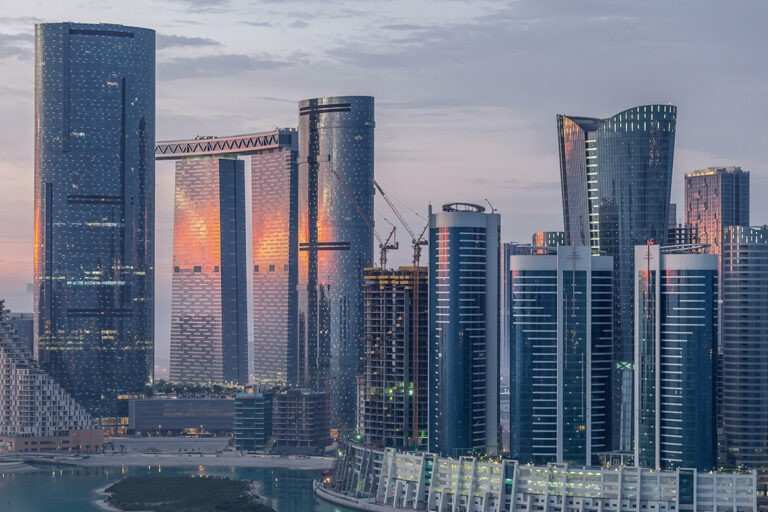
Abu Dhabi Rent Increases Up to 32% in 2025: 2026 Forecast & Trends
Abu Dhabi’s rental market saw dramatic growth in 2025, with prices for apartments and villas soaring by as much as 32%. Driven by high demand, population growth, and limited supply, tenants across the emirate faced significant cost increases. This report breaks down the 2025 trends and provides a crucial outlook for the Abu Dhabi rental market in 2026.
Key 2025 Rental Market Trends in Abu Dhabi
According to the latest Abu Dhabi Real Estate Market Report from Bayut, rising rents impacted nearly all property segments.
Apartment Rentals: Increases were sharp across the board.
Affordable Areas: Rents rose 8-30% in areas like Al Nahyan.
Mid-Tier Areas: Popular locations such as Al Reem Island and Hamdan Street saw average increases of around 25%.
Luxury Areas: Premium communities like Al Raha Beach and Saadiyat Island recorded the highest jumps, up to 32% for one-bedroom units.
Villa Rentals: The villa segment also experienced strong growth.
Affordable Villas: Rents increased by approximately 16% in family-friendly communities.
Mid-Tier Villas: Growth ranged from 1% to 13%, varying by location.
Luxury Villas: High-end areas saw rents climb 6-16%, though some larger units on Yas Island and Saadiyat Island saw corrections as new supply arrived.
Most Popular Areas for Tenants in 2025
High demand was concentrated in key communities:
Affordable/Mid-Tier Hubs: Khalifa City, Al Shamkha, Al Reem Island, Al Khalidiyah.
Villa Favorites: Shakhbout City, Al Raha Gardens.
Luxury Hotspots: Saadiyat Island, Yas Island.
Also Read: Bahrain Recalls Nestlé Infant Formula in Precautionary Public Health Move
Abu Dhabi Rental Market Forecast for 2026
Analysts predict rental prices will continue to rise in 2026, but at a more moderate pace. Key factors shaping the 2026 forecast include:
Continued Demand: Population growth and strong economic performance will sustain pressure.
New Supply: The expected delivery of around 6,500 new homes should help ease the severe supply crunch.
Market Normalization: The luxury segment may see more balanced conditions as inventory increases.
While the market remains in favor of landlords, persistently high rents could lead tenants to seek more affordable neighborhoods or negotiate terms. The market’s trajectory will depend on the balance between new supply, ongoing demand, and tenant affordability.


