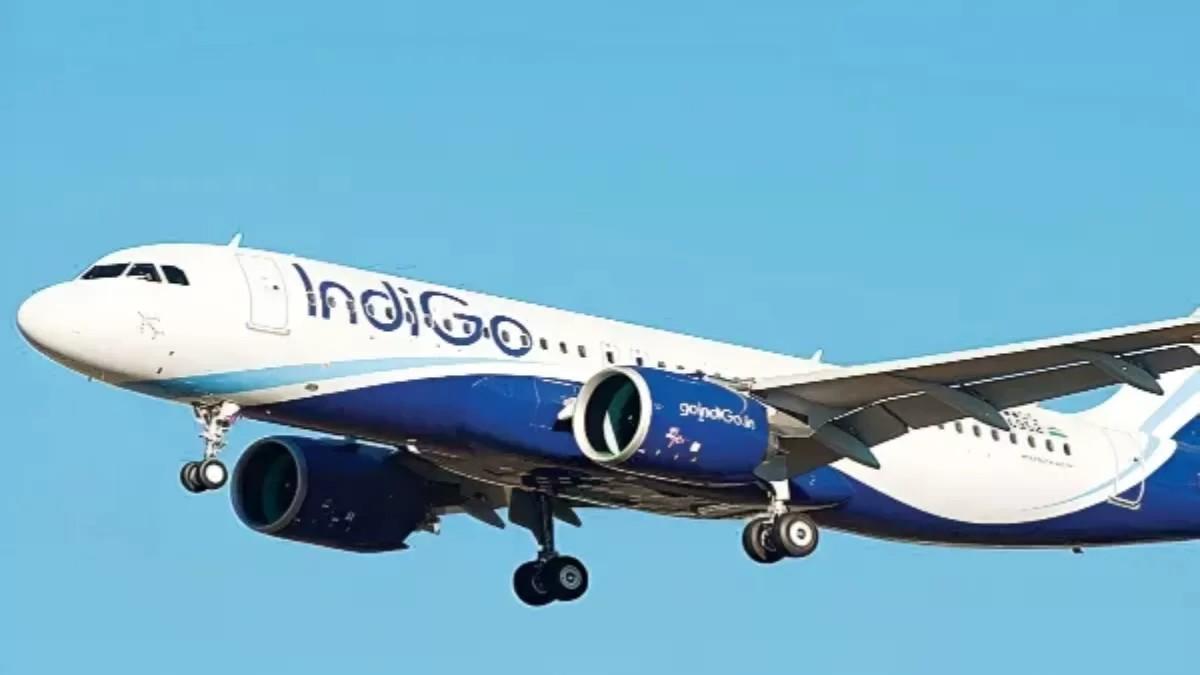
IndiGo Crisis Triggers Travel Chaos: Soaring Airfares & Cancellations Hit UAE-India Routes
The vital air corridor between the UAE and India has been plunged into uncertainty during the peak holiday season, as IndiGo‘s operational meltdown causes widespread flight cancellations and sends airfares soaring by 20-25%. The crisis is forcing thousands of travelers to reconsider plans, pay premium prices, or risk being stranded, turning routine family visits into logistical nightmares.
The Root of the Crisis: IndiGo’s Operational Breakdown
The disruption stems from a severe crew shortage and IndiGo’s struggle to comply with new pilot duty-time regulations set by Indian aviation authorities. This perfect storm led to the cancellation of over 500 flights in a single day in early December, with significant knock-on effects for international routes to the UAE.
Although the airline has restored services to most of its 138 destinations, the recovery is fragile. Passengers continue to report:
Last-minute cancellations and lengthy delays
Disrupted baggage handling
A severe erosion of traveler confidence in one of the route’s dominant carriers
The Domino Effect: Skyrocketing Fares and Reduced Options
With IndiGo’s capacity slashed during peak demand, a classic supply-demand shock has hit the market.
Fare Surge: Ticket prices on popular UAE to India routes (like Delhi, Mumbai, Hyderabad) have jumped from approximately AED 800-900 to AED 950-1,100 or more.
Tier-2 City Squeeze: Travelers bound for smaller Indian cities face an even steeper hike, as fewer alternative flights exist.
Spillover Pressure: Even competing airlines have raised fares due to the spillover demand, leaving budget-conscious expatriate families with few affordable choices during the critical school holiday period.
How Travelers Are Adapting—And Struggling
The uncertainty is fundamentally changing booking behavior:
Hesitation and Delays: Many UAE residents are postponing bookings, waiting for operational stability or potential price drops.
Shift to Competitors: Travel agents report a marked decline in IndiGo bookings, with increased demand for alternative carriers like Air India Express, Emirates, and Etihad.
Strategic Flexibility: Some are altering travel dates, opting for mid-week flights or shifting plans to before late December or after early January to avoid the peak chaos and higher costs.
Why This Hits the UAE-India Corridor So Hard
This disruption has an outsized impact because:
High Dependency: IndiGo holds a dominant market share on this route, particularly for price-sensitive travelers and those connecting to smaller Indian cities.
Fixed Schedules: The crisis coincides with school holidays and year-end leave, periods with inflexible travel windows for families and working professionals.
Economic Burden: The fare hike imposes a significant additional financial burden on the large expatriate community for whom annual home visits are a non-negotiable priority.
Expert Outlook and Traveler Survival Guide
Industry analysts predict full market stabilization may not occur until late January or February 2024. Until then, travelers are advised to adopt a cautious strategy:
1. Prioritize Reliability Over Price: Currently, a slightly more expensive ticket on a stable airline may offer better value than a cheap ticket risking cancellation.
2. Book Flexible Fares: Opt for tickets that allow changes or offer refunds. Consider comprehensive travel insurance that covers trip disruption.
3. Verify Before You Fly: Always check your flight status directly with the airline 24 hours and again 3-4 hours before departure.
4. Avoid Tight Connections: If your journey includes a domestic connection in India, leave a buffer of several hours between flights to accommodate delays.
5. Explore All Hubs: Consider flying via other Gulf hubs (like Doha, Sharjah, or Muscat) with different carriers if direct options are problematic or exorbitantly priced.
Also Read: Winter Hair Loss Explained: Why It Gets Worse & 6 Proven Tips to Control It
The Bottom Line
The IndiGo crisis has exposed the vulnerabilities in one of the world’s busiest air corridors at its most critical time. It underscores the market’s dependence on a single low-cost carrier and the severe repercussions when it stumbles. For now, traveling between the UAE and India requires more planning, higher budgets, and tempered expectations. The situation serves as a stark reminder that in aviation, low cost can sometimes come with a high price in reliability.


