UAE and Bahrain Agree to Join U.S.-Led ‘Board of Peace’ Initiative for Gaza
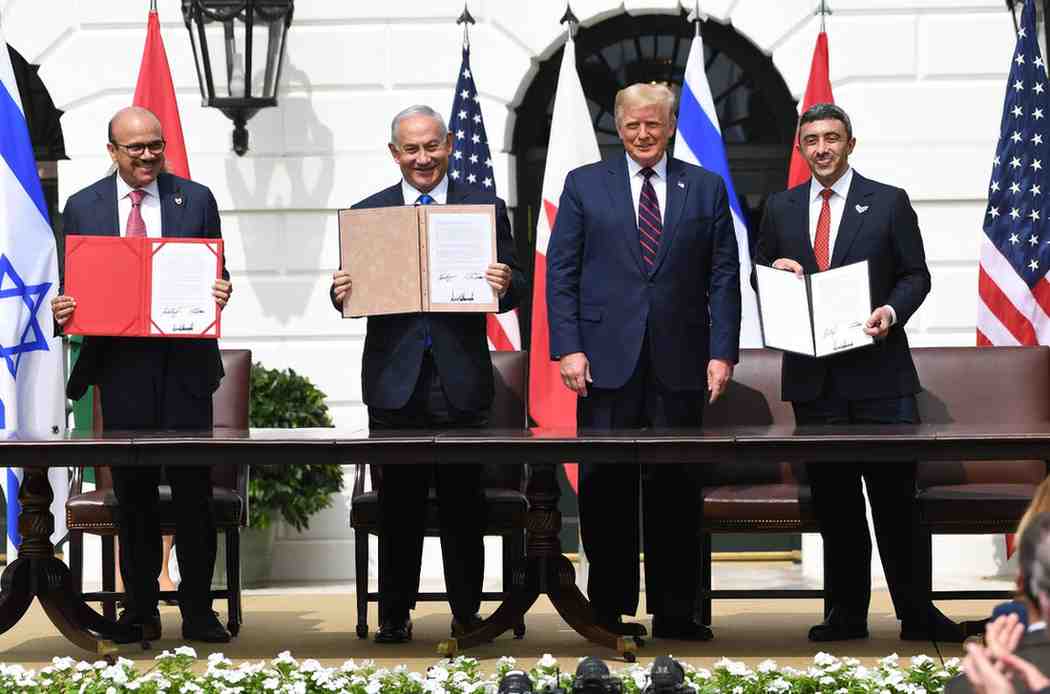
In a significant diplomatic move, the United Arab Emirates (UAE) and the Kingdom of Bahrain have formally accepted invitations from U.S. President Donald Trump to join the newly proposed ‘Board of Peace’. This international initiative aims to address the Gaza conflict and guide its post-war reconstruction, marking a clear commitment from both Gulf nations to engage in multilateral peace efforts.
Official Endorsements from the Gulf
UAE: President Sheikh Mohamed bin Zayed Al Nahyan accepted the invitation, with Foreign Minister Sheikh Abdullah bin Zayed stating the move supports the full implementation of the U.S. “20-point peace plan” for Gaza and the rights of the Palestinian people.
Bahrain: King Hamad bin Isa Al Khalifa also agreed to join, aligning with the initiative’s goals. Bahrain’s participation is underscored by its current term as a non-permanent UN Security Council member (2026-27), highlighting its active diplomatic role.
Understanding the ‘Board of Peace’ Initiative
The Board of Peace is envisioned as a U.S.-backed international council focused initially on Gaza’s stabilization, humanitarian relief, and reconstruction. While details are evolving, the proposed structure includes:
Three-year member terms for participating nations.
A controversial provision allowing a permanent seat for a $1 billion contribution within the first year—a point that has drawn international debate over inclusivity and governance.
Regional and Global Reactions
The UAE and Bahrain are among the first nations to publicly join, alongside others like Belarus. The initiative has received a mixed global response:
Supporters argue it could break diplomatic deadlocks and accelerate action in Gaza.
Critics, including some European nations, express concern it could undermine existing UN-led processes and create parallel structures without clear legal frameworks.
Broader Implications and Next Steps
The participation of these key Gulf states signals a shifting diplomatic landscape in the Middle East, where regional powers are increasingly seeking direct roles in shaping conflict resolution. As the Board of Peace moves toward operationalization, its ability to deliver tangible results in Gaza will be closely watched. The endorsements from the UAE and Bahrain provide early momentum but also set the stage for complex discussions on the initiative’s legitimacy, funding, and ultimate effectiveness in fostering lasting peace.


