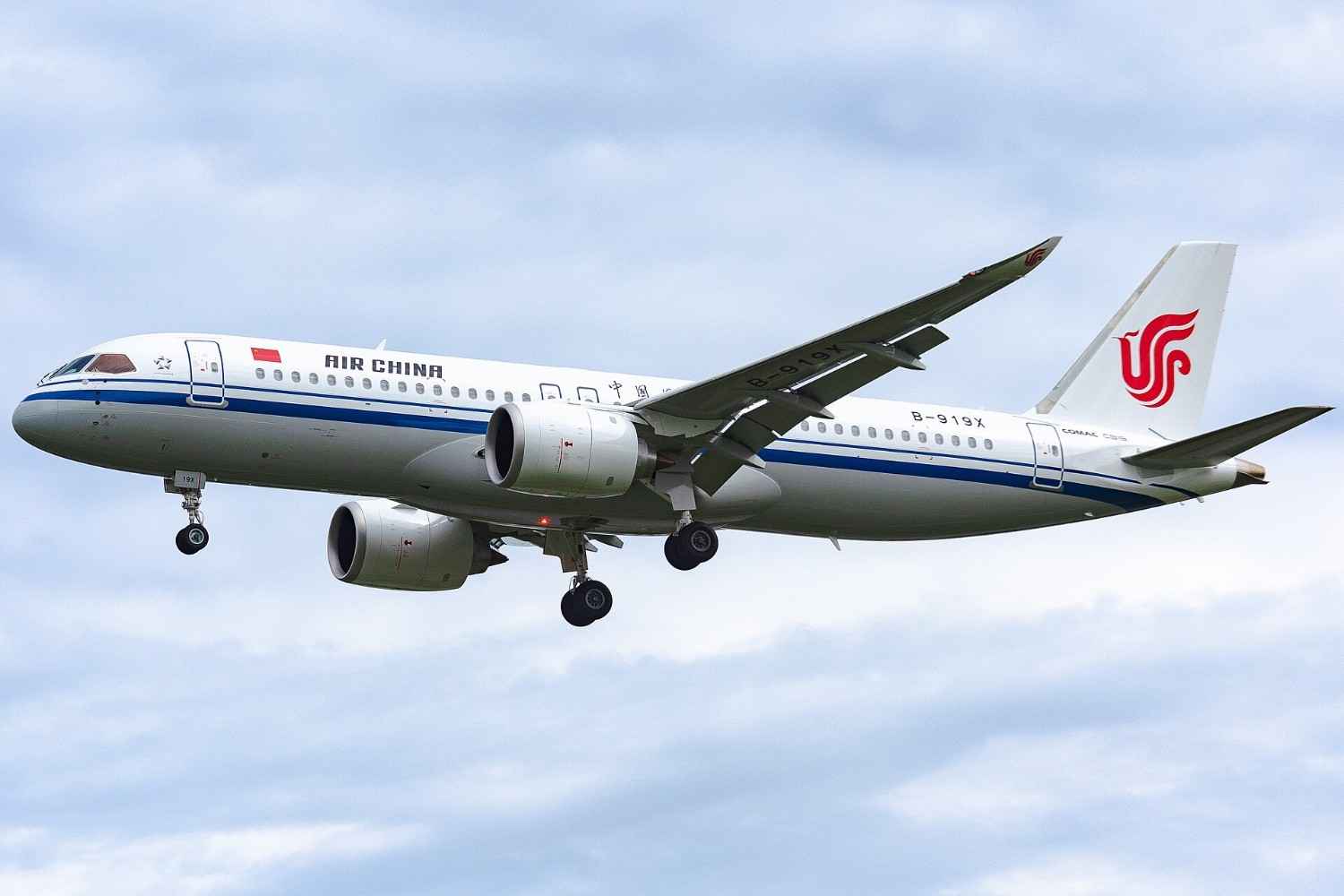
China Flights to North Korea Resume After Six Years: What’s Behind the Reopening?
After a gap of nearly six years, direct flights between China and North Korea have resumed, marking a significant development in regional connectivity and diplomacy. The move, led by Air China restarting flights between Beijing and Pyongyang, reflects a broader shift in political, economic, and strategic dynamics in East Asia.
The suspension of flights dates back to early 2020, when North Korea sealed its borders at the onset of the COVID-19 pandemic. The country adopted some of the strictest isolation measures in the world, halting tourism, trade travel, and most cross-border movement. As a result, air and rail links with China—its largest trading partner—were effectively frozen for years, cutting off the country from most international interactions.
Now, with the gradual easing of restrictions, Pyongyang has begun reopening select transport routes. The resumption of flights follows the recent restart of passenger train services between Beijing and Pyongyang, indicating a coordinated effort to rebuild connectivity. This step-by-step approach suggests that North Korea is carefully managing its reopening process.
However, the reopening is far from a full return to normal travel. At present, North Korea is allowing only a limited category of travelers, mainly officials, business visitors, and individuals with special permissions. Tourism—once a key component of cross-border movement—remains largely restricted, with no signs of mass tourism returning anytime soon.
One of the main reasons behind the timing of this decision lies with North Korea itself. Analysts suggest that Pyongyang is controlling the pace of reopening based on its own strategic priorities, rather than simply following Beijing’s lead. This challenges the long-held perception that China dictates the terms of engagement in the relationship, revealing a more balanced dynamic than previously assumed.
At the same time, China has strong incentives to restore ties. As North Korea’s biggest economic partner—accounting for the majority of its trade—Beijing is keen to revive economic exchanges and stabilize the region. Recent data shows trade between the two countries has already begun to rebound, further supporting the need for improved transport links to facilitate the growing flow of goods.
Geopolitics also plays a crucial role. Observers believe China is seeking to reinforce its influence over North Korea amid shifting global alliances. In recent years, Pyongyang has strengthened ties with Russia, raising concerns in Beijing about losing strategic leverage. By restoring physical connections such as flights and trains, China is signaling its continued importance as North Korea’s primary partner, counterbalancing Moscow’s growing influence.
Additionally, the move may be linked to upcoming diplomatic developments. Experts suggest that China could be aiming to showcase its relationship with North Korea ahead of high-level international engagements, including potential talks involving the United States. Reopening travel routes serves as a visible demonstration of cooperation and regional influence at a time when global attention is focused on East Asian geopolitics.
Despite these developments, challenges remain. Demand for flights is currently low, partly due to ongoing travel restrictions and the absence of tourists. Before the pandemic, Chinese visitors made up nearly 90 percent of foreign tourists to North Korea, but that flow has yet to recover. The economic impact of this lost tourism revenue has been significant for North Korea.
Moreover, North Korea continues to maintain tight control over foreign access, allowing only limited and carefully monitored visits. This cautious approach reflects both health concerns and the regime’s long-standing policy of restricting external influence to maintain domestic stability. Foreign visitors, when permitted, are typically accompanied by guides and their movements are strictly monitored.
In essence, the resumption of Chinese flights is less about tourism and more about strategic signaling. It represents a gradual reopening of one of the world’s most isolated countries, driven by a mix of economic necessity, political calculation, and diplomatic maneuvering. Both nations stand to benefit, but on terms that Pyongyang largely controls.
Also Read: Summer Hair Care Tips: Protect from Sun, Sweat & Humidity
While the flights mark a symbolic step forward, a full normalization of travel between China and North Korea is likely to take time. For now, the skies between Beijing and Pyongyang are open again—but only for a select few, under tightly controlled conditions. The coming months will reveal whether this reopening expands to include broader economic cooperation and diplomatic engagement.


