Qatar Denies Role in US-Iran Talks, Prioritises National Security Amid Regional Conflict
Qatar has made it clear that it is not participating in any mediation efforts between the United States and Iran, stressing instead that its primary focus remains on safeguarding national security amid the ongoing regional conflict.
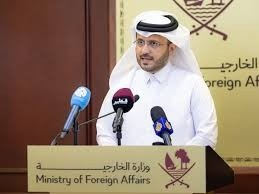
Speaking during a weekly briefing, Dr. Majed bin Mohammed Al Ansari, advisor to the Prime Minister and official spokesperson for the Ministry of Foreign Affairs, reiterated that Doha is not engaged in facilitating dialogue between Washington and Tehran. His remarks come in response to speculation and claims suggesting that Qatar could be involved in diplomatic efforts aimed at easing tensions between the two adversaries.
Al Ansari emphasised that Qatar’s current priority is to protect its territory and ensure the safety of its citizens, particularly as the country has faced direct and indirect repercussions from the escalating conflict in the region. He noted that while Qatar has historically played a mediating role in international disputes, the present circumstances require a stronger focus on internal security and stability.
At the same time, the Qatari official reaffirmed the country’s long-standing position that conflicts should ultimately be resolved through dialogue and diplomacy. He stressed that this principle applies universally, including in the ongoing tensions between the US and Iran. However, he clarified that supporting diplomatic solutions does not necessarily mean direct involvement in negotiations.
Qatar’s stance comes against the backdrop of a rapidly intensifying conflict that has had serious consequences for several Gulf nations. Since late February, the region has witnessed a series of military escalations, including missile and drone attacks targeting key infrastructure and strategic locations. Qatar itself has been affected by such incidents, with attacks disrupting operations and raising security concerns.
Given these developments, Al Ansari underlined that the country is concentrating its efforts on defensive measures and on addressing the impact of the ongoing hostilities. This includes reinforcing national security systems and working with international partners to mitigate risks posed by the conflict. The Qatari government has been actively reviewing its defense protocols to ensure preparedness against any potential threats.
Despite its non-involvement in direct mediation, Qatar continues to support broader diplomatic initiatives aimed at de-escalating tensions. The spokesperson noted that Doha remains engaged with regional and global partners through multilateral platforms and international institutions, encouraging peaceful resolutions to the crisis. Qatar’s diplomatic infrastructure, including its hosting of various international forums, remains available for broader discussions even if it is not directly mediating the US-Iran standoff.
He also highlighted that ending the conflict through negotiations remains the only viable long-term solution. While acknowledging the complexity of the current situation, Al Ansari expressed confidence that diplomatic channels would eventually play a decisive role in resolving the crisis. He emphasized that military escalation benefits no one and that all parties have a shared interest in restoring stability.
Recent international reports have echoed Qatar’s position, indicating that the country is not currently acting as an intermediary in any talks between the US and Iran. Officials have reiterated that their immediate concern lies in maintaining national security while continuing to advocate for dialogue as the preferred path forward. This clarification helps dispel rumors that could complicate Qatar’s diplomatic positioning in the region.
The clarification follows claims from global leaders suggesting that discussions between Washington and Tehran may be underway through intermediaries. However, Qatari authorities have consistently denied any involvement in such efforts, distancing themselves from speculation and emphasising their domestic priorities. The denial serves to protect Qatar from being drawn into the complex geopolitical dynamics of the US-Iran confrontation.
Qatar’s approach reflects a careful balancing act. While the country has built a reputation over the years as a key diplomatic mediator in regional and international conflicts—including in Afghanistan and Gaza—the current situation underscores the challenges of maintaining that role during times of direct threat. When a nation’s own security is at risk, its capacity and willingness to mediate can shift significantly.
As tensions persist across the Middle East, Qatar’s message remains clear: national security comes first, even as it continues to support diplomatic pathways to peace. The government’s dual approach—prioritizing self-defense while keeping the door open for broader diplomatic engagement—illustrates the complex calculations Gulf nations must make in times of regional crisis. For now, Qatar’s focus remains firmly on protecting its borders, citizens, and infrastructure from the fallout of a conflict that shows no signs of immediate resolution.


