Bangladesh Cuts Working Hours, Bans Decorative Lighting as Fuel Crisis Worsens
Bangladesh has introduced sweeping energy-saving measures, including reduced working hours and restrictions on electricity usage, as the country grapples with a worsening fuel crisis triggered by instability in the Middle East. The crisis has exposed the nation’s vulnerability to global energy shocks.
The government announced that all public offices will now operate from 9am to 4pm, while banks will close even earlier, at 3pm. Markets and shopping centres, which typically stay open late into the evening, have been instructed to shut by 6pm. These steps are aimed at cutting electricity consumption and easing pressure on the country’s strained energy supplies. The new timings are effective immediately.
The decision comes as Bangladesh faces mounting challenges due to its heavy dependence on imported energy. Nearly 95% of the country’s oil and gas needs are sourced from abroad, much of it from the Middle East. Ongoing geopolitical tensions and conflict in the region have disrupted supply chains and driven up global fuel prices, leaving countries like Bangladesh particularly vulnerable. The import bill has skyrocketed.
Officials have described the current situation as uncertain, with supply lines considered unstable despite existing fuel stocks. In response, the government has rolled out a broader set of austerity measures to conserve energy and manage demand. These include cutting non-essential public spending, limiting the use of excessive lighting, and urging industries to reduce electricity consumption wherever possible. Conservation is now a national priority.
One of the more notable steps is the ban on decorative lighting at weddings and large events. In Bangladesh, weddings are often elaborate affairs involving extensive lighting and large gatherings, which consume significant amounts of electricity. Authorities believe restricting such practices will contribute meaningfully to overall energy savings. The ban applies to all social events.
The government has also instructed departments to curb expenditure on items such as new vehicles, computers, and official hospitality. Foreign training programmes for government officials have been suspended, while domestic training activities are being scaled back. These measures are expected to reduce fuel consumption by as much as 30%, according to officials. The savings are crucial.
Beyond administrative changes, Bangladesh is also exploring structural adjustments in key sectors. The education ministry is considering revised school schedules and even partial shifts to online learning to cut down on energy use. Additionally, authorities are planning to allow duty-free imports of electric buses for student transport, along with incentives to encourage adoption of cleaner and more efficient systems. Long-term solutions are being explored.
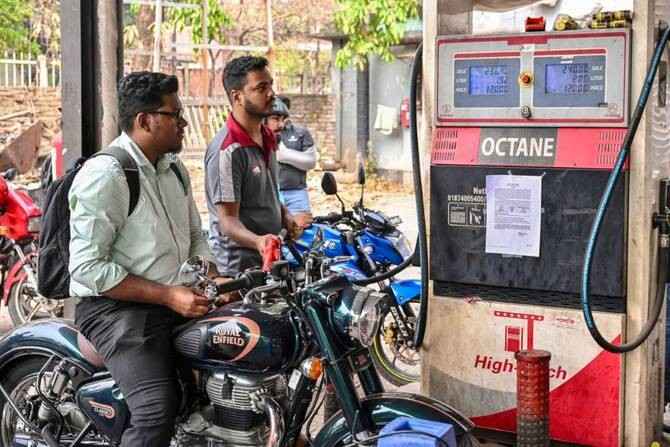
Fuel rationing has already been implemented in various forms, including limits on purchases and reduced operating hours at fuel stations. The government has also taken steps to control panic buying and hoarding, deploying law enforcement to monitor fuel distribution points. These actions reflect the seriousness of the crisis, as long queues and supply concerns have become increasingly common. Public cooperation is being urged.
To address the financial strain caused by rising energy costs, Bangladesh is seeking more than $2.5 billion in external funding. The funds are intended to support imports of fuel and liquefied natural gas (LNG), which are becoming increasingly expensive amid global market volatility. International assistance is being sought.
The country’s energy mix further complicates the situation. Around 60% of Bangladesh’s electricity is generated using imported gas, while diesel plays a critical role in agriculture and transportation. This reliance makes it difficult to quickly transition to alternative sources, even as the government explores diversification options. The energy grid is under stress.
With a population of roughly 175 million, Bangladesh is under pressure to maintain energy security while avoiding major disruptions to daily life and economic activity. Authorities say the current measures are temporary but necessary to stabilise the situation until global energy markets become more predictable. The government is monitoring the situation closely.
Also Read: High-Stakes Clash: Iran Claims to Shoot Down Another US F-35, Tensions Soar
As the Middle East crisis continues to impact fuel availability and prices worldwide, Bangladesh’s response highlights the challenges faced by import-dependent nations and underscores the growing importance of energy conservation and diversification strategies. The country is learning a difficult lesson about energy independence. The coming weeks will be critical.


