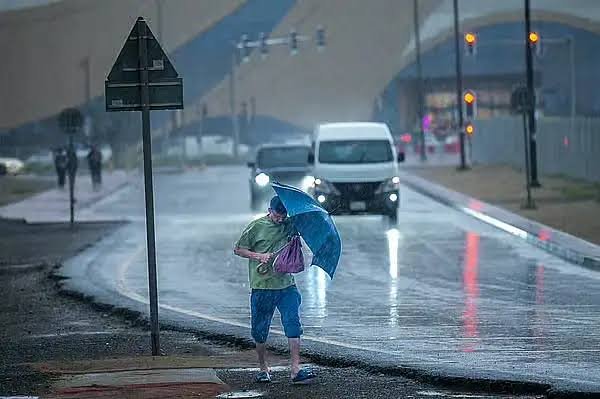
The UAE’s winter could turn out wetter than usual. As a powerful El Niño develops in the Pacific, a regional astronomy specialist says the Gulf may see more rain than its yearly average, and in some places it could arrive in short, intense bursts.
What the expert said
Ibrahim Al Jarwan, chairman of the Emirates Astronomy Society, said the phenomenon could significantly influence rainfall across the UAE and the wider Arabian Peninsula. The country typically receives between 100mm and 120mm of rain a year, and El Niño could push totals higher.
The key variable is timing. If the extra rain falls within a few days, some areas could face heavy or exceptionally heavy downpours, whereas a longer spread would make the increase less noticeable. He noted that some areas have recorded more than 200mm in a single month in past years.
How strong could this El Niño be?
El Niño refers to a periodic warming of the tropical Pacific that shifts weather patterns around the world. Citing projections attributed to the World Meteorological Organization, Al Jarwan said the temperature anomaly between October and December could average +3.7°C, peaking in December, compared with a previous record of +2.6°C during the 2015–2016 event.
He put the chance of the developing event becoming historic, exceeding any previous El Niño, at 38 per cent. These are projections rather than certainties, and they come from a single expert’s account of forecasts. Official forecasts from the UAE’s National Centre of Meteorology remain the primary guide for the public.
Unsettled weather this week
The warning arrives amid conditions already making themselves felt. Al Jarwan said a low-pressure system and a relatively cold air mass are bringing rain-bearing thunderclouds across the GCC, with moderate to heavy storms, flash flooding, hail and strong winds raising dust and sand.
In the Arabian Gulf, winds range from 20 to 45km/h and exceed 50km/h near thunderstorms, with waves rising above two metres in places and leaving seas moderate to rough.
The Ministry of Interior has issued advice to drivers, warning of rain, thunder, lightning, occasional hail and reduced horizontal visibility in some areas.
Staying safe
Rain in a desert climate carries its own hazards. Roads become slick quickly, dry riverbeds fill without warning, and drivers unused to wet conditions can misjudge braking distances. Sensible precautions include:
- Slow down, increase your following distance and use headlights in poor visibility.
- Avoid wadis, low-lying roads and areas where water is pooling.
- Stay off beaches and keep small boats ashore while seas are rough.
- Follow official alerts from the National Centre of Meteorology and the police.
Why it matters beyond one rainy week
An unusually wet season has benefits, including replenished groundwater and greener landscapes. It also tests drainage systems, road safety and emergency response, particularly when rainfall is concentrated. UAE authorities have invested in flood readiness in recent years, and this season offers another practical test.
The broader lesson is that a distant ocean pattern can shape local weather within weeks. For residents, the sensible approach is to treat today’s storms as an early reminder, keep an eye on official forecasts, and be prepared for more variable conditions through winter.


Comments 1