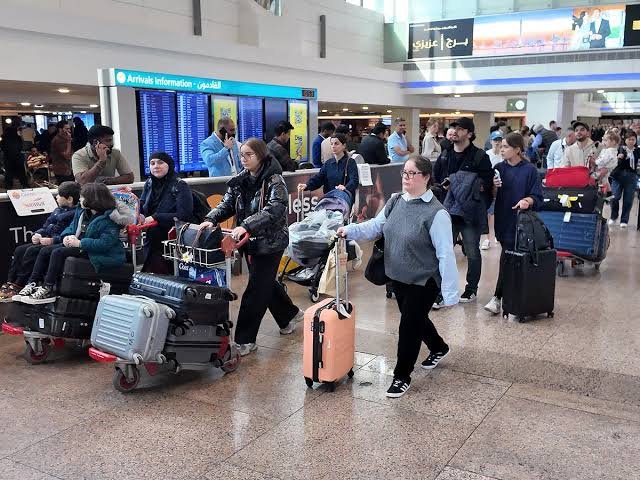
Travellers in the UAE are facing a mixed picture. More flights are returning to the schedule, but routes into parts of Saudi Arabia remain suspended and foreign governments are warning of possible escalation in the wider conflict involving Iran.
Capacity is rising, though unevenly
The recovery is real. Seats on flights departing the UAE rose 23 per cent to 7.2 million between June and October, and up to 36 weekly Dubai–Europe services are expected to return by December. Services to Athens and Manila are also being restored.
Saudi routes remain the pressure point
Flights to Saudi cities are where the disruption is sharpest. Etihad has cancelled flights from Abu Dhabi to Riyadh, Dammam and Jeddah through November 5. Emirates has cancelled its Dubai services to the same three cities, while Dubai–Medina continues to operate. flydubai has suspended Riyadh, Dammam and Abha until October 29.
Other carriers have taken similar steps. Air Arabia has listed cancellations from Sharjah and Abu Dhabi that include Saudi destinations as well as Kuwait, Beirut, Doha and Damascus. IndiGo is out through October 31, Air India until November 7 for Riyadh and Dammam, and Lufthansa until November 18 for Riyadh. The US Mission says Riyadh airport partially reopened on October 23 with limited flights. Not every cancellation is linked to the conflict. Some have operational causes.
Warnings from Washington and London
The security picture is what concerns many travellers most. CNN has reported that US forces could launch major operations against Iran within 96 hours of an order, though no final decision has been made and some officials expect any order after the US midterms on November 3. The Wall Street Journal reported that Washington has warned Gulf states of a possible short, intense renewal of the war after the midterms.
The UK has issued fresh alerts for the UAE and 14 other countries, saying the risk of sudden escalation remains high. Airspace closures and flight cancellations are no longer described as merely potential, and the advice now also covers British nationals transiting the region. US embassies in the region ordered departures last week.
Diplomacy continues alongside the threats
Talks are still under way. Officials from Saudi Arabia, Turkey and Pakistan met in Tehran on Monday, and Iran’s security chief described the discussions in positive terms. The parties agreed to keep talking. Iran says Washington must meet seven conditions before negotiations begin, and Oman’s foreign minister has urged a Gulf security framework that includes Iran.
Shipping and the Houthi threat
Maritime risk is also climbing. Iran’s army says an oil tanker struck mines and caught fire after taking a route Tehran had not approved. US Central Command insists its forces remain present and vigilant in the Strait of Hormuz.
Saudi Arabia says it destroyed five Houthi ballistic missiles aimed at Riyadh and the east. On Tuesday, debris from two intercepted missiles damaged a building, a construction site and a vehicle in Riyadh, with no casualties reported.
What residents should do
The practical advice from the briefing is simple:
- Check the status of your flight directly with the airline before you leave for the airport.
- Watch for rebooking and refund messages.
- Rely on official UAE channels for security notices rather than social media.
Travellers with trips to Saudi Arabia in the coming weeks should confirm whether their route is operating before making other arrangements. Those flying to Europe may find more choice than they did in the summer.
An uncertain week
The days ahead are likely to be shaped by two things: whether diplomacy keeps moving, and how Washington decides to proceed after November 3. Neither is certain. For residents, the safest course is to stay flexible, keep documents and bookings in order, and treat any single report as a snapshot rather than a forecast.


Comments 1