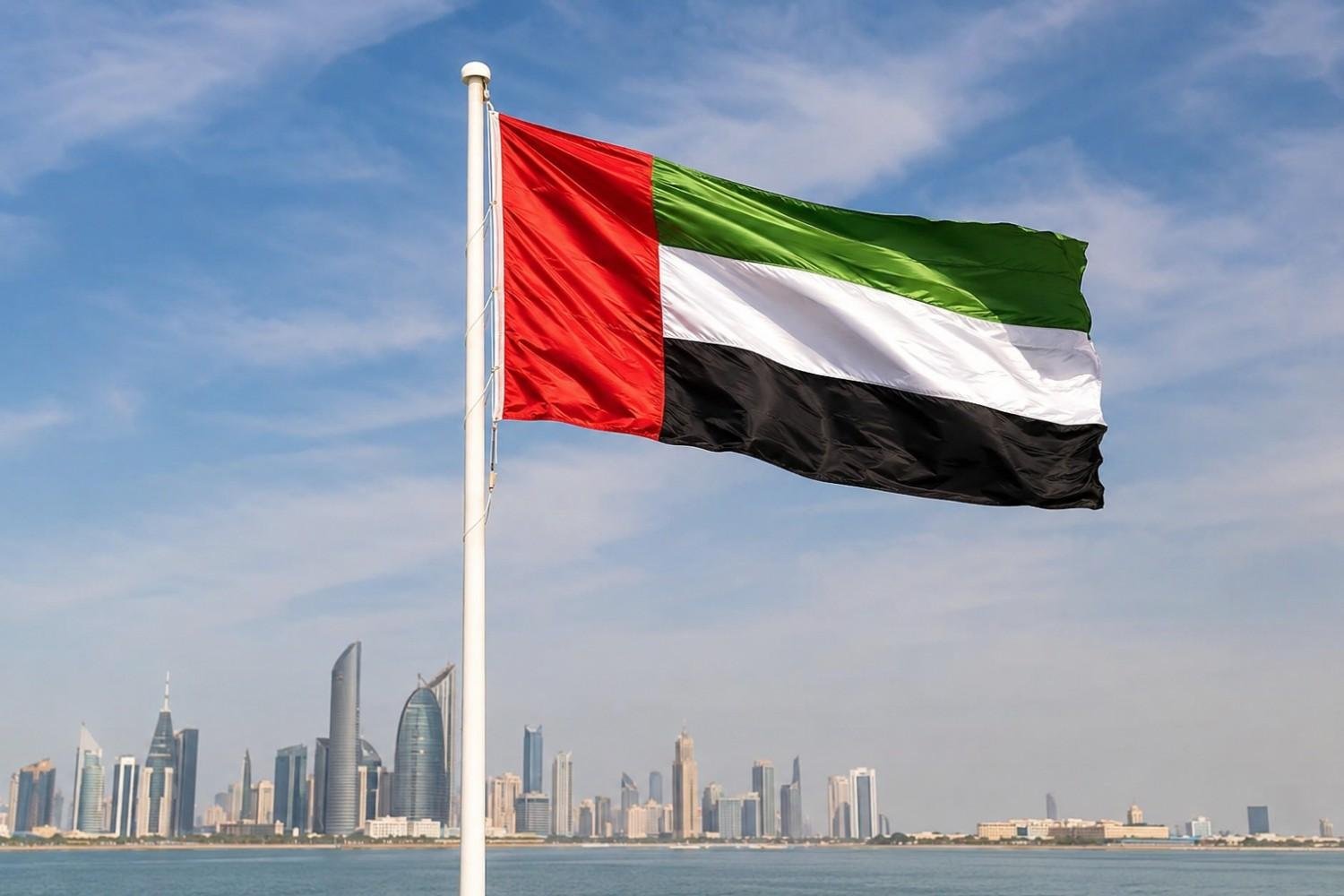
UAE Issues Strong Statement of Solidarity
The United Arab Emirates has condemned in the strongest possible terms a wave of Iranian missile and drone attacks that struck Bahrain, Kuwait, Jordan and the Kurdistan Region of Iraq, describing the strikes as a flagrant violation of the sovereignty of what it called “brotherly nations.”
In a statement issued by the Ministry of Foreign Affairs (MoFA), the UAE said the attacks represented a direct threat to the security and stability of the affected countries and reaffirmed its full solidarity with Bahrain, Kuwait, Jordan, Iraq and the Kurdistan Regional Government. The ministry also pledged support for any measures aimed at safeguarding the security of those nations going forward.
A Rapidly Escalating Regional Conflict
The attacks came as part of a fast-moving escalation between the United States and Iran that has drawn in much of the wider Gulf region. According to regional reporting, American forces struck close to 100 Iranian military-linked targets, including air defence systems, radar installations, maritime assets, mine-laying equipment and communications infrastructure. The strikes reportedly followed attempted Iranian attacks on commercial shipping transiting the Strait of Hormuz, one of the world’s most critical energy trade corridors.
In apparent retaliation, Iranian forces then launched a coordinated series of missile and drone strikes across the region overnight. Bahrain reported that its air defence systems successfully intercepted and destroyed incoming Iranian drones. Jordan said that 13 ballistic missiles entered its airspace, of which ten were intercepted, with three landing in remote areas of the country. Kuwait confirmed it had also confronted Iranian drones, and local authorities said firefighters had brought under control a blaze that broke out at a residential complex in Kuwait City after it was struck. Separately, Iranian-aligned forces claimed to have carried out missile and drone attacks on facilities near Erbil in northern Iraq, allegedly killing American personnel stationed there — a claim that had not been independently confirmed by US or Iraqi authorities at the time of writing.
Part of a Wider Pattern
Wednesday’s condemnation was not an isolated diplomatic response. The UAE has repeatedly spoken out against Iranian military action in the region in recent weeks, having previously condemned an attack on a Saudi-flagged tanker transiting the Strait of Hormuz that resulted in crew deaths, as well as reported Iranian strikes closer to home. Earlier in the ongoing crisis, the UAE said its own air defence systems had intercepted missiles and drones targeting Emirati territorial waters and airspace — attacks Abu Dhabi also described as a dangerous escalation and a direct threat to its citizens and residents.
The broader conflict traces back to an initial round of strikes on Iran by the United States and Israel earlier this year, which triggered a cycle of retaliation that has since drawn in multiple Gulf states. In response to the growing pattern of Iranian strikes on Gulf nations and on shipping in the Strait of Hormuz, the United Nations Security Council adopted a resolution condemning what it called Iran’s “egregious attacks” against Gulf states and Jordan. The resolution passed with broad international backing, though two permanent Security Council members abstained, arguing that the text failed to address the earlier strikes on Iranian territory that preceded the current cycle of retaliation.
Diplomatic Solidarity Across the Region
The UAE’s statement was far from the only one of its kind issued this week. Egypt and Qatar have both separately condemned Iranian strikes on Jordan and the UAE in recent days, reflecting a broader pattern of regional solidarity among Arab states as the conflict has widened. Gulf Cooperation Council members, in particular, have moved quickly and consistently to publicly back one another whenever a member state or close partner has come under attack, framing the strikes as threats to collective regional security rather than isolated bilateral disputes.
What Comes Next
For UAE residents and businesses, the immediate, tangible effects of the conflict have been most visible in aviation and trade, with the government having already moved to suspend trade with Iran following earlier attacks and airlines adjusting schedules in response to shifting airspace risk. Diplomatically, however, Wednesday’s statement underscores that the UAE continues to see itself as playing an active role in coordinating a unified Gulf response, rather than staying on the sidelines of a conflict playing out on its doorstep.
With both Washington and Tehran signalling they are prepared for further military action, and regional capitals bracing for the possibility of additional strikes, the coming days are likely to bring further diplomatic statements, security measures and economic ripple effects across the Gulf — with the UAE positioned as one of the most vocal advocates for regional stability throughout the crisis. Next Article


Comments 2