Israel Kills Hezbollah Chief’s Aide in Beirut Airstrike Amid Lebanon Conflict
Amid escalating tensions in the Middle East, Israel has claimed responsibility for killing a close aide to Hezbollah’s leadership during a recent airstrike in Beirut. The strike is part of a broader military campaign targeting the Iran-backed group in Lebanon. The operation signals Israel’s continued focus on Hezbollah’s leadership structure.
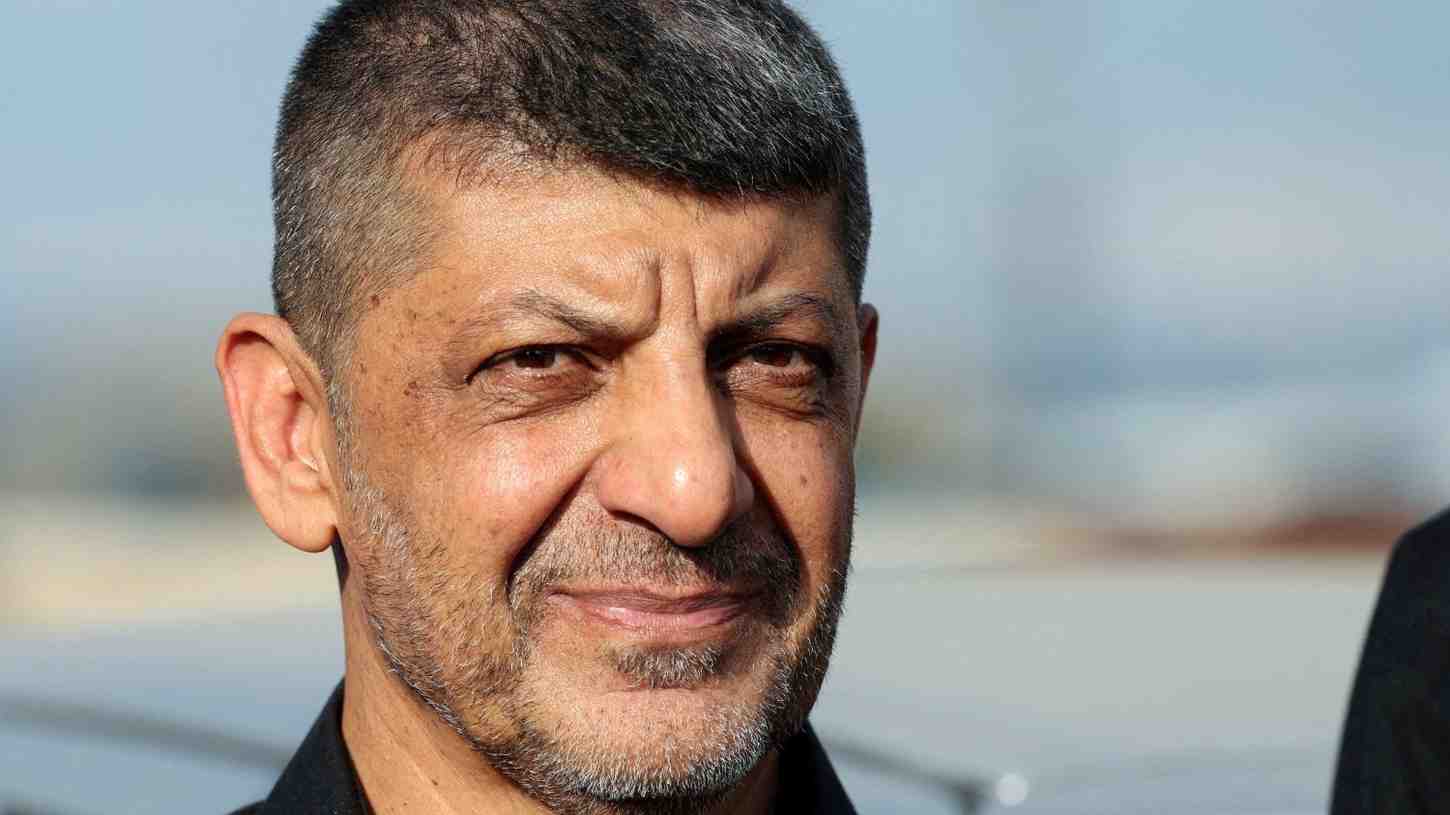
According to the Israeli military, the attack took place in the Beirut area a day earlier and resulted in the death of Ali Yusuf Harshi, who served as a personal secretary and trusted aide to Hezbollah chief Naim Qassem. Officials described Harshi as a key figure within the organization, noting that he was not only closely related to Qassem but also played a crucial role in managing and safeguarding the leader’s office. His proximity to the leader made him a high-value target.
Israeli authorities stated that Harshi was deeply involved in Hezbollah’s internal operations and decision-making processes, making him an important target. His elimination, they claim, is part of ongoing efforts to weaken the group’s leadership structure and operational capabilities. The strike is part of a larger campaign.
The strike comes at a time when the region is witnessing intense military activity. Israeli forces have been carrying out repeated attacks on Hezbollah-linked positions across Lebanon, particularly in and around Beirut. These operations have continued despite broader diplomatic efforts to stabilize the region following recent conflicts involving Iran and the United States. The violence shows no sign of abating.
Recent days have seen some of the heaviest bombardments in Beirut in years, with multiple airstrikes hitting both residential and commercial areas. The violence has resulted in significant casualties and widespread destruction, raising concerns among international observers about the humanitarian impact of the conflict. The toll on civilians is mounting.
Israel has defended its actions by stating that its operations are aimed at dismantling Hezbollah’s military infrastructure and preventing further attacks on its territory. However, critics argue that such strikes risk escalating tensions further and causing civilian harm. The debate over proportionality continues.
Hezbollah has not immediately confirmed the death of Harshi, and there has been no official statement from the group regarding the latest development. In the past, however, Hezbollah has vowed to respond strongly to Israeli strikes, often leading to retaliatory rocket attacks and further escalation. The response may be forthcoming.
The killing of a senior aide highlights Israel’s strategy of targeting key figures within Hezbollah’s hierarchy. Analysts suggest that such targeted strikes are intended to disrupt command structures and weaken coordination within the organization. Decapitation is the goal.
Meanwhile, the broader geopolitical situation remains fragile. A recently announced ceasefire between the United States and Iran has done little to reduce hostilities in Lebanon, as Israel continues its operations against Hezbollah, which it considers a separate front in the conflict. The ceasefire does not cover Lebanon.
Also Read: Blown Away: MI Coach Jayawardene Hails Jaiswal and Sooryavanshi After Stunning IPL Clash
As tensions persist, the possibility of further escalation remains high. With both sides showing no signs of backing down, the region continues to face uncertainty, with fears that ongoing strikes and counterattacks could lead to a wider conflict. The world watches anxiously. The cycle of violence continues.


