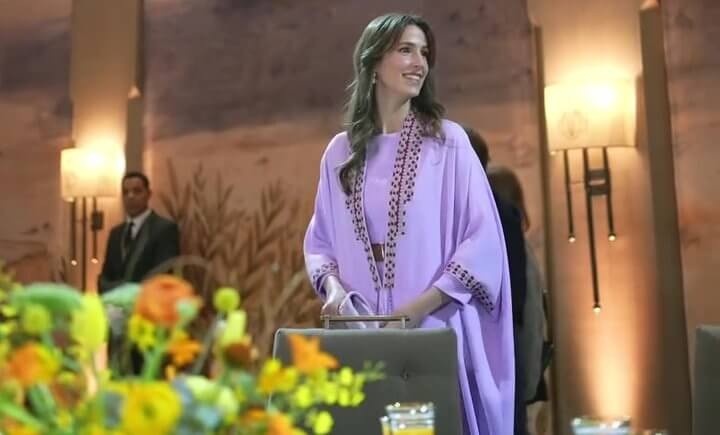
Jordan’s Royal Family Welcomes Ramadan with a Heartfelt Family Iftar
Amman, Jordan — As the holy month of Ramadan began in Jordan, Queen Rania Al Abdullah and King Abdullah II hosted an intimate family iftar — the evening meal that marks the end of the daily fast — joining members of the royal household in sharing food, faith and moments of togetherness that reflect the deep spiritual and cultural significance of this sacred time. The event, shared widely on social media, offers a rare glimpse into the private traditions of the Hashemite family while resonating with millions who observe the month around the world.
Ramadan, a sacred month observed by Muslims around the world, is tied to fasting from dawn to sunset, spiritual reflection, charity and community. In 2026, Jordan — like several other countries including Oman, India and Bangladesh — began observing Ramadan on Thursday, February 19, after authorities determined that the crescent moon signalling the start of the month had not been sighted on the preceding evening, following the established tradition of lunar calendar observation that has guided Islamic practice for centuries.
A Royal Celebration of Family and Faith
In a video posted on her official Instagram account, Queen Rania shared glimpses of the warm evening as the Hashemite family gathered to break their fast together in an atmosphere of joy and devotion. “May this holy month fill our homes with the warmth of family and loved ones. Ramadan Mubarak to all,” she wrote, extending heartfelt wishes to her millions of followers who eagerly engage with her posts throughout the year.
The clip shows the queen and king arriving at the gathering, smiling and greeting relatives as tables were laid out with traditional dishes awaiting the call to Maghrib — the prayer that marks sunset and signals the time to break one’s fast after a day of spiritual reflection and abstention. In Jordan, as across the Muslim world, this moment of iftar is marked not just by food but by shared joy and a profound sense of communal togetherness that transcends individual households.
Queen Rania, aged 55, drew significant attention both for her warm wishes and her elegant outfit — a red long-sleeved dress cinched with a broad belt — further cementing her reputation as a fashion figure admired across the Arab world and beyond. Her choices often spark conversations and inspire followers who see in her a blend of tradition and modernity.
The Hashemite Family Together
Joining the king and queen at the evening meal were key members of the royal family, including Crown Prince Hussein, his wife Princess Rajwa, and his sister Princess Iman along with her husband, Jameel Alexander Thermiotis. The presence of multiple generations underscored the central role that family plays during Ramadan, when bonds are renewed and traditions passed from elders to youth.
As the sun dipped below the horizon and the Maghrib call to prayer echoed through the gathering, guests helped themselves to soup and a spread of traditional foods, adding to the informal and relaxed atmosphere that characterises the best iftar gatherings. The presence of children added lively energy to the gathering, with their laughter and curiosity punctuating the evening’s rhythm and reminding all present of the joy that family brings.
The setting reflected both the dignity of royal life and the universal human experience of gathering with loved ones to share a meal. Traditional Jordanian dishes mingled with modern presentations, honouring heritage while embracing the present.
A Special Birthday Celebration
After the meal, the joyous occasion took on an extra layer of celebration: the family sang “Happy Birthday” in Arabic for an elder relative whose birthday coincided with the first day of Ramadan. This spontaneous celebration highlighted how personal milestones and religious observance often blend in Ramadan gatherings, creating memories that last a lifetime.
The moment captured the essence of what makes Ramadan special for families everywhere — the intersection of faith, tradition, and personal connection that transforms ordinary days into something sacred. For the Hashemite family, sharing this moment publicly offered followers a window into their humanity beyond their official roles.
Spreading Blessings and Traditions
In a touching gesture that reflected both tradition and the spirit of Ramadan, Queen Rania distributed prayer mats to the children in attendance. This symbolic act was intended to leave a lasting memory of the holy month in their hearts, reinforcing the importance of faith and devotion from a young age while creating tangible connections to spiritual practice.
Such gestures carry deep meaning in Islamic tradition, where teaching children about faith through gentle, memorable experiences is valued as a foundation for lifelong devotion. The prayer mats will serve as reminders of this special iftar for years to come.
The shared video quickly struck a chord online, drawing thousands of comments and thousands of reposts, with well-wishers from across the region and beyond extending their greetings to the royal family and expressing admiration for the display of unity and devotion. Followers from diverse backgrounds found common ground in appreciation of family values and spiritual observance.
Ramadan’s Broader Resonance in Jordan
Ramadan in Jordan is a time of deep social and spiritual significance, transforming daily rhythms across the kingdom. Earlier this week, leaders from across the Muslim world sent cables congratulating King Abdullah and Crown Prince Hussein on the start of the holy month, reflecting its importance not just within Jordan but across the Arab and Islamic worlds where the Hashemite family holds special religious significance as direct descendants of the Prophet Muhammad.
Inside the kingdom, Jordanian law underscores the cultural respect for Ramadan; for example, breaking the fast publicly during daylight hours is subject to penalties under Article 274 of the Jordanian Penal Code — a measure designed to preserve the sanctity of the month in public settings while allowing private observance to flourish. Such laws reflect the deep integration of Islamic values into Jordanian society.
For the Hashemite royals, whose roles blend ceremonial responsibility with popular engagement, Ramadan offers a chance to reflect these values publicly while still honoring cherished private traditions. Whether hosting community iftars — as Queen Rania has done in past years with Jordanian service personnel and youth groups — or sharing candid moments of family life, their observance of the holy month resonates widely with citizens and followers around the world who see in them a model of faith in action.
Celebrating Together
In a world where the rhythms of life are often shaped by work and duty, Ramadan remains a time when families pause to connect and renew bonds of faith and kinship that can be strained by modern demands. For the Hashemite family, this year’s iftar encapsulated those timeless values — unity, joy and shared blessings — setting the tone for a month that is both sacred and deeply personal.
The images of royals laughing together, children playing, and generations gathering around the iftar table transcend culture and nationality, speaking to universal human experiences of family and faith. In sharing them, Queen Rania and her family offered the world a moment of connection and warmth.
As Ramadan continues, the royal family will likely participate in additional community events and charitable activities, continuing traditions of service that complement their personal observance. For now, the iftar video stands as a beautiful beginning to a sacred month.
Ramadan Mubarak from Jordan’s Hashemite family — faith, family, and togetherness.


