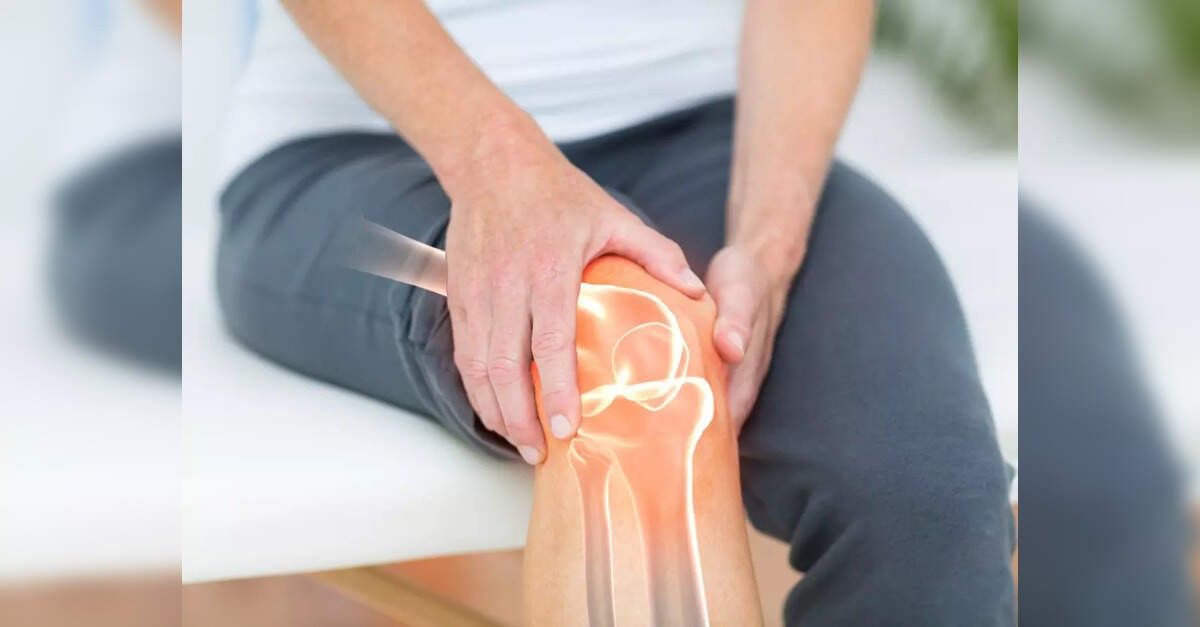
Joint Pain Not Just for Seniors Anymore — Why Young Adults in Their 20s and 30s Are Feeling It Too
New York — Joint pain has traditionally been associated with older age, but that stereotype is rapidly changing. Increasingly, people in their 20s, 30s and even early 40s are reporting joint discomfort—something doctors say reflects broader lifestyle and health shifts in modern society.
Once thought to be an issue mainly for seniors, joint pain is now common among younger adults, often affecting knees, hips, shoulders and other major joints during everyday activities such as climbing stairs, exercising or even sitting at a desk. The phenomenon has orthopaedic specialists rethinking how they approach prevention and treatment for patients who are decades away from traditional retirement age.
Why Young People Are Experiencing Joint Pain
Experts identify several reasons why joint problems are cropping up earlier in life, with lifestyle factors playing a dominant role.
One of the biggest contributing factors is inactivity. Many young adults spend long hours seated—whether at desk jobs, studying, gaming or scrolling on smartphones. Prolonged sitting weakens the muscles that support joints and can lead to stiffness and discomfort. Poor posture compounds this problem, placing uneven stress on joints and increasing wear and tear. When muscles are weak and imbalanced, the joints themselves bear forces they were never designed to handle alone.
Digital lifestyles have dramatically increased the number of hours people remain inactive. Extended screen time not only reduces overall movement, but also promotes hunched postures, straining the neck, shoulders and spine. The phenomenon known as “tech neck” has become increasingly common, with young adults experiencing cervical spine issues that previous generations developed only after decades of aging. This combination of inactivity and poor ergonomics accelerates joint stress far earlier than expected.
Paradoxically, joint pain among younger adults isn’t always caused by inactivity. Doctors note that improper or excessive exercise—especially at gyms—can also accelerate joint damage. The rise of high-intensity workout culture has brought benefits but also risks. Repetitive strain, incorrect lifting techniques and overtraining without adequate rest can injure cartilage, ligaments and tendons, leading to persistent pain. Young adults eager to build muscle or improve fitness sometimes push through pain rather than listening to their bodies, converting temporary discomfort into chronic conditions.
Because joint pain has historically been linked with ageing, many young adults ignore early warning signs like stiffness after activity or occasional discomfort. They assume it will pass, that they’re too young for “real” joint problems. Waiting for symptoms to “go away on their own” can allow underlying structural damage—such as cartilage deterioration or early arthritis—to progress unchecked, turning manageable issues into long-term challenges.
Underlying Conditions and Chronic Issues
Although lifestyle factors play a major role, medical conditions can also contribute to early-onset joint pain. Autoimmune diseases like rheumatoid arthritis can begin stealthily, with joint symptoms appearing years after the immune system starts attacking healthy tissue. These conditions often go undiagnosed in young adults because neither patients nor doctors suspect arthritis as the cause of their discomfort.
Generalised joint hypermobility—where joints extend beyond their normal range—has been linked in some studies with increased risk of pain disorders, although more research is needed. People with hypermobile joints may experience instability and micro-trauma during normal activities, leading to premature wear and chronic pain.
Inflammatory conditions, injuries and obesity-related stress on joints can also accelerate degeneration and pain in younger individuals. Each pound of excess weight places approximately four pounds of additional pressure on knee joints, meaning that weight gain in young adulthood can have outsized effects on long-term joint health.
What Symptoms Young Adults Are Experiencing
Joint pain in younger adults often presents differently from age-related pain in the elderly. Rather than simple stiffness after inactivity, younger individuals may notice pain during or after exercise that doesn’t resolve with rest. They might hear popping or cracking sounds in joints during movement, sometimes accompanied by discomfort. Persistent discomfort during daily activities like walking, climbing stairs, or carrying groceries can signal underlying issues. Pain that returns despite rest or mild movement suggests something beyond simple muscle soreness.
These early symptoms can signal deeper issues such as cartilage thinning, ligament stress, or early arthritis—conditions that benefit from early medical evaluation rather than being brushed off. When young patients finally seek help, they sometimes express surprise that their symptoms have been present for months or even years before they decided to investigate.
The Long-Term Consequences
What begins as occasional discomfort can evolve into chronic pain and functional limitation. Cartilage, once damaged, has limited capacity for repair. Ligaments that are repeatedly stressed may become lax or scarred. The cumulative effect of years of suboptimal joint health can lead to premature osteoarthritis, with patients in their 40s and 50s experiencing joint degeneration typically seen in much older populations.
For some, this means activity limitations, reduced quality of life, and eventually joint replacement surgery decades earlier than would otherwise be necessary. The economic and personal costs of early joint disease are substantial, affecting work productivity, mental health, and overall wellbeing.
Preventive Measures and Lifestyle Changes
Medical experts stress that joint pain is not inevitable just because someone is young. With the right approach, many problems can be prevented or managed before they become severe.
Developing habits like standing frequently, taking short walks during sedentary stretches and using ergonomic workstations can relieve joint stress. The simple act of changing position regularly distributes forces differently across joints and prevents the stiffness that comes from prolonged static posture. Ergonomic assessments at work and home can identify problem areas and suggest improvements that make a significant difference over time.
Low-impact activities such as swimming, cycling or yoga help strengthen supporting muscles without placing undue strain on joints. When strength training, younger exercisers are encouraged to focus on proper form and avoid overtraining. Working with qualified trainers, learning correct technique, and allowing adequate recovery time between sessions can build fitness without sacrificing joint health.
Any persistent or recurring joint pain should prompt consultation with a healthcare provider. Early diagnosis can prevent long-term damage and reduce the likelihood of surgery later in life. Physical therapy, activity modification, and in some cases medication can address problems while they’re still manageable rather than waiting until they’ve progressed.
Maintaining a healthy weight reduces pressure on weight-bearing joints, and diets rich in anti-inflammatory foods can help keep inflammation low. Omega-3 fatty acids, antioxidants, and other nutrients found in fish, nuts, fruits, and vegetables may help modulate inflammatory processes that contribute to joint pain.
When to See a Doctor
Young adults experiencing joint symptoms should consider medical evaluation when pain persists for more than a few weeks, when it interferes with daily activities or sleep, when joints appear swollen, red, or warm to the touch, when symptoms are accompanied by fever or unexplained fatigue, or when there’s a family history of autoimmune or rheumatologic conditions.
Earlier intervention typically leads to better outcomes, making prompt attention to joint symptoms a wise investment in long-term health.
A New Normal for Joint Health Awareness
The rise of joint pain among young adults is reshaping how doctors and the public view musculoskeletal health. It’s no longer just an “old person’s problem”—it’s increasingly a byproduct of how we live, work and move today. Orthopaedic specialists emphasize that early recognition and proactive care can keep joints healthy well into later decades of life. With awareness rising, more young people are seeking preventive care, ergonomic corrections and balanced exercise routines—steps that could make a significant difference in long-term mobility and quality of life.
The message is not to panic but to pay attention. Joints are designed to last a lifetime, but they require reasonable care and maintenance. By understanding the factors that threaten joint health and taking proactive steps to address them, young adults can protect their mobility and comfort for decades to come.
Sedentary jobs, intense workouts, and ignored symptoms are combining to create a generation with earlier joint problems. The good news: most of it is preventable with awareness and action.


