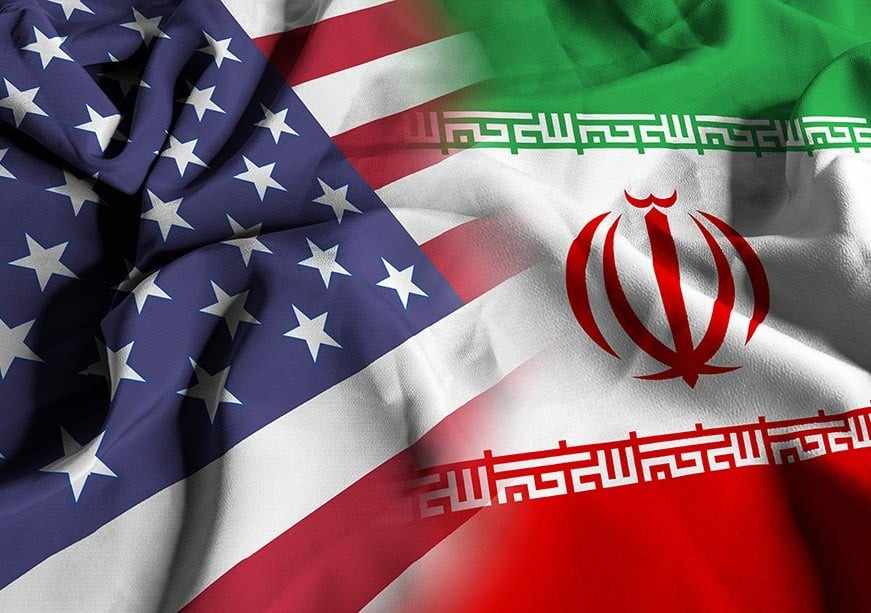
US-Iran Nuclear Negotiations Set to Resume in Oman Amid Deep Disagreements and Rising Regional Risks
High-stakes nuclear negotiations between the United States and Iran are scheduled to resume on Friday in Muscat, Oman, against a backdrop of escalating regional tensions and profound diplomatic disagreements. The talks, led by Iranian Foreign Minister Abbas Araqchi, represent a critical attempt to de-escalate a standoff that has raised fears of a broader Middle East conflict.
A Clash of Agendas: Narrow vs. Comprehensive Talks
A major obstacle to progress is a fundamental disagreement over the scope of the negotiations.
Iran’s Position: Tehran insists the talks be strictly limited to its nuclear programme, which it maintains is for peaceful purposes. It seeks an agreement that respects its sovereign right to enrich uranium and rejects discussions on other issues as interference.
U.S. Position: Washington, led by Secretary of State Marco Rubio, demands a comprehensive agenda. The U.S. wants to address Iran’s ballistic missile development, support for regional proxy groups, and human rights concerns, arguing these are inseparable from long-term security.
This clash derailed initial plans to meet in Istanbul, with Iran successfully insisting on Oman—a traditional neutral mediator—as the venue.
Regional Tinderbox: Military Buildup and Domestic Unrest
The talks occur in an environment of extreme volatility:
U.S. Military Posture: A substantial U.S. naval and air presence has been deployed to the region. President Donald Trump has emphasized a preference for diplomacy but has refused to rule out military action.
Iranian Domestic Pressure: Iran’s government faces significant internal unrest and economic hardship, increasing its need for diplomatic relief but also limiting its perceived room for concession.
Risk of Miscalculation: Recent incidents, including the downing of an Iranian drone by U.S. forces, highlight how easily skirmishes could spiral into open conflict if diplomacy fails.
Prospects for a Breakthrough: Cautious Hope Amid Deep Mistrust
Experts express skepticism about an immediate breakthrough given the entrenched positions. Key hurdles include:
Iran’s Red Lines: Tehran’s refusal to discuss its missile program and regional activities.
U.S. Demands: Washington’s insistence on a deal that addresses broader security concerns.
Mutual Distrust: Decades of hostility and conflicting strategic interests undermine the foundation for compromise.
Despite these challenges, both sides are proceeding with talks, acknowledging that diplomacy in Oman is a preferable alternative to military confrontation. Iranian officials have stated they seek a “fair and dignified” understanding, while U.S. negotiators stress the need for meaningful dialogue.
Also Read: 10 Unforgettable Things to Do in Bahrain in 2026 | Ultimate Travel Guide
The Stakes for the Middle East and Beyond
The outcome of the Muscat negotiations will have profound implications:
Regional Stability: Success could avert a devastating conflict and reshape security dynamics in the Gulf.
Global Energy Markets: Failure risks disrupting oil supplies and triggering economic shockwaves.
Non-Proliferation Regime: The talks are a critical test for the global effort to prevent nuclear weapons proliferation.
As the world watches, the neutral ground of Oman offers one of the last viable channels for dialogue between two entrenched adversaries. The coming days will reveal whether diplomacy can overcome deep-seated divisions or if the region is destined for a dangerous new chapter of escalation.


