Secret US-Brokered Peace Talks Between Russia and Ukraine Held in Abu Dhabi
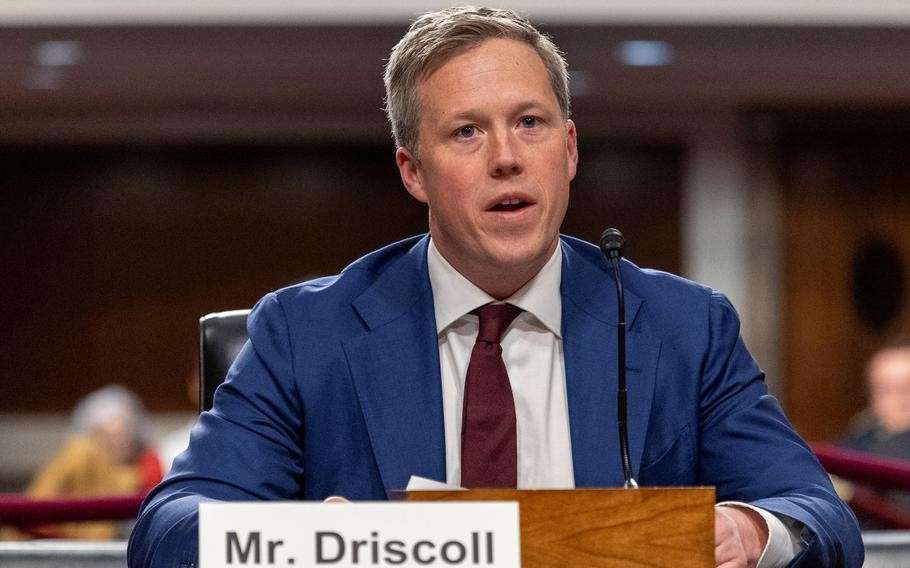
In a significant and previously undisclosed diplomatic move, the United States has initiated secret peace talks between Russia and Ukraine. The discussions, held in Abu Dhabi on Monday, featured U.S. Army Secretary Dan Driscoll meeting with a Russian delegation, according to a U.S. official who spoke on condition of anonymity. This covert meeting marks a major step by Donald Trump’s administration to actively broker a resolution to the ongoing war.
The talks are expected to continue into Tuesday, with Secretary Driscoll also scheduled to meet with Ukrainian officials in the Emirati capital. The confidential nature of these engagements, held away from public view, highlights the delicate balancing act Washington is attempting—launching a diplomatic initiative while navigating the deep sensitivities of both Kyiv and its European allies.
The Contentious US Peace Plan and Ukrainian Apprehensions
This diplomatic push is not happening in a vacuum. It follows earlier efforts to build consensus around a U.S.-drafted 28-point peace proposal. However, that initial plan was met with significant unease in Kyiv and European capitals, as it was widely perceived to be skewed in Russia’s favor. The proposal reportedly required Ukraine to cede occupied territory, limit its military capabilities, and abandon its goal of joining NATO.
These demands raised alarm bells, fueling concerns that the Trump administration might be willing to pressure Ukraine into a settlement that primarily serves the Kremlin’s interests. For Ukrainian President Volodymyr Zelenskiy, these talks come at a moment of extreme vulnerability. Ukraine is grappling with internal political pressures, including a recent corruption scandal, while simultaneously facing renewed Russian advances on the battlefield.
A Shifting US Policy and the Risks of Direct Mediation
U.S. policy towards Ukraine has appeared inconsistent in recent months. President Trump’s impromptu summit with Russian President Vladimir Putin in Alaska last August created anxiety among Western allies about a potential softening of the U.S. stance toward Moscow. While those fears were not immediately realized, the meeting sowed doubts about the coherence and commitment of U.S. strategy.
The Abu Dhabi meetings now place the United States in a more direct, though secretive, mediation role. Choosing a neutral location like Abu Dhabi signals Washington’s willingness to act as an honest broker. However, this approach carries substantial risks. By engaging directly with Moscow behind closed doors, the U.S. runs the risk of alienating Kyiv and its European partners, who may view it as undermining Ukraine’s sovereignty and right to determine its own future.
The High Stakes for European Security and the Future of Ukraine
The outcome of these talks has implications far beyond the immediate conflict. Ukraine and its Western supporters are acutely aware that any peace deal perceived as rewarding Russian aggression could have catastrophic consequences for European security. A settlement that forces Ukraine to relinquish territory or limits its strategic autonomy would not only jeopardize Kyiv’s future but also severely damage the credibility of Western alliances and deterrence.
Analysts argue that maintaining pressure on Russia is essential, and a premature deal could allow the Kremlin to rearm and regroup for future conflicts. The fundamental question is whether a peace can be achieved that ensures Ukraine’s long-term security and sovereignty, rather than simply freezing the conflict on terms favorable to Moscow.
A Pivotal Moment in the Search for Peace
The U.S. official involved stated that the Abu Dhabi talks are part of a broader effort to bridge the vast gap between the warring parties. Earlier diplomatic work has focused on refining the original 28-point U.S. proposal to make it more palatable to Ukraine, potentially by reinterpreting clauses that resembled a Russian “wish list.”
While the White House and Russian officials have remained silent, the very existence of these secret talks underscores the urgency of the current moment. With the war dragging into its fourth year and Ukraine under intense pressure, the U.S. is making a bold pivot from a supporting role to that of a primary mediator. Whether this high-stakes gamble in Abu Dhabi will lead to a viable peace or spark a backlash from allies is the critical unknown hanging over this clandestine diplomatic mission.


